Leave Your Message

Top Scandium Metal Suppliers for Global Buyers?

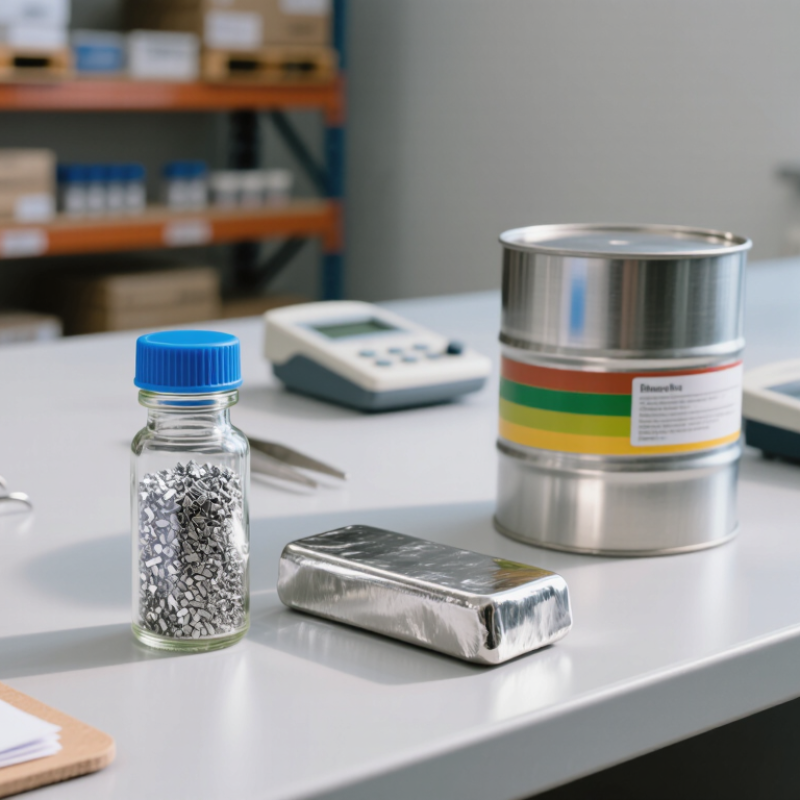
Scandium Metal is a specialized material, and choosing a supplier involves more than comparing prices. Global buyers may encounter differences in purity, available forms, production capacity, and delivery timelines. A small sample vial, a sealed metal piece, and a larger commercial lot can each raise different handling and quality questions. Clear product specifications help prevent misunderstandings before an order is placed. They should identify the stated purity, testing method, packaging, and batch information. These details matter. Supplier claims deserve verification, especially when buyers are assessing unfamiliar sources or evaluating material for demanding applications.

This guide looks at how to assess Scandium Metal suppliers and what to ask before requesting a quotation. It considers documentation, sample availability, quality-control practices, communication, and international shipping arrangements. Buyers should confirm whether certificates and test results relate to the actual batch being offered, rather than relying on a general product sheet. They can also ask about lead times and how the supplier handles changes in availability. No supplier is perfect, and polished websites do not guarantee consistent service. That is worth remembering. A careful comparison can reveal practical differences that a headline price misses. The aim here is not to declare a single universal winner, but to help global buyers make informed, traceable sourcing decisions.
Top Scandium Metal Suppliers for Global Buyers?

Understanding Scandium Metal and Its Global Market

Scandium metal is a lightweight, silvery transition metal used in specialized alloys, research, and other advanced-material applications. It is not interchangeable with scandium oxide, a different product form often encountered in supply discussions.

Small volumes matter. Even minor differences in purity, particle size, or surface condition can affect processing. A buyer evaluating a metal sample should check its certificate of analysis and confirm that the listed form matches the intended use.

A sealed container and clear batch identification are practical details, not decoration.

The global scandium market is small and specialized. Supply can depend on recovery as a byproduct of other mineral or industrial processes, so output may not rise quickly when demand increases. Public price references can also vary by product form, purity, and lot size.

Compare like with like. Buyers can ask suppliers about assay methods, traceability, packaging, and delivery schedules before comparing quotations.

A spreadsheet may make the market look more certain than it is. That deserves caution. A small test order can reveal handling or specification issues that a polished quote cannot.
Identifying the Main Types of Scandium Metal Suppliers

Scandium metal suppliers generally fall into several groups, and their roles are not interchangeable. Primary producers recover scandium from suitable feedstocks and may offer metal in limited quantities. Their supply can be less predictable because scandium is often produced as a by-product. Specialty refiners convert or purify material into specified grades, including pieces, ingots, or powder. Ask how purity is measured and whether the certificate reports individual impurity levels. A headline purity figure alone may not answer that question.

Distributors and technical-material suppliers typically source from multiple producers, then manage stock, documentation, and smaller orders. They can be useful when a buyer needs prompt delivery or a particular package size. Custom processors may provide melting, machining, or tailored dimensions, but processing capabilities vary. Check batch traceability, packaging, minimum order quantity, lead time, and shipping conditions before comparing quotations. Small details matter. For instance, a sealed container and a clear handling specification can reduce confusion when material arrives. It is also worth checking whether the quoted grade matches the intended application; “high purity” is not a complete specification. Supplier categories overlap, and a reseller may not disclose its upstream source. That can be inconvenient, but documented quality controls still offer a practical basis for evaluation.

Comparing Suppliers by Quality, Capacity, and Certifications

Top Scandium Metal Suppliers for Global Buyers?
Comparing Suppliers by Quality, Capacity, and Certifications

For scandium metal, a headline purity figure is only a starting point. Ask for a lot-specific certificate of analysis showing the test method, impurity limits, and sampling date. Compare results for oxygen, iron, and other relevant contaminants, not just total purity. Request a retained sample when practical. Small differences matter.

Capacity needs evidence too. A supplier may quote a small trial quantity but struggle with repeat orders. Confirm available stock, production lead time, minimum order size, and packaging for the stated form, such as ingot or pieces. Ask how batch identity is preserved from production through shipment. Details matter here.

Certifications can support confidence, but only within their stated scope. Check the issuer, validity dates, and whether the certified site handles the material you are buying. Quality systems such as ISO 9001 do not replace product testing. Compare documents, then speak with technical staff about analytical methods and change control. It takes time. A polished datasheet is not proof of consistent supply, and buyers should allow a second review when records are incomplete. That extra check may feel cautious; it is often useful.

Top Scandium Metal Suppliers for Global Buyers? - Comparing Suppliers by Quality, Capacity, and Certifications

This comparison describes supplier types and purchasing considerations, not named or ranked companies. Scandium metal is a specialty material; supplier-specific capacity, certifications, and current availability should be confirmed directly.

Supplier Type Quality Information to Compare Capacity and Availability Certifications and Documentation Best Fit for Buyers
Specialty-metal producer Request the guaranteed scandium assay, impurity limits, analytical method, and a batch-specific certificate of analysis. Commercial grades and specifications vary by producer. Ask for available inventory, minimum order quantity, lead time, and whether material is made to order. Publicly comparable production-capacity figures are not consistently available for this niche market. Verify any claimed quality-system certification with its scope and validity. Request the safety data sheet and certificate of analysis for the offered lot. Buyers needing direct technical discussion, lot traceability, or a specification tailored to an application.
Rare-earth or specialty-materials supplier Confirm that the quoted product is scandium metal—not scandium oxide, a salt, or an alloy—and check purity basis, physical form, and packaging. Availability may depend on upstream production and batch schedules. Confirm whether quoted quantities are in stock or subject to production and export lead times. Request lot-specific test results and traceability documents. Do not assume certifications apply to every facility or product line. Buyers seeking material from a supplier familiar with specialized inorganic and rare-earth materials.
Laboratory and research-material distributor Compare the stated grade, assay, particle or piece form, and the documentation supplied with the specific package. Small-pack listings may not establish suitability for production use. Often suited to evaluation or research quantities; confirm available pack sizes, replenishment time, and whether larger-volume orders can be supplied. Check the product-specific certificate of analysis and safety data sheet, and ask whether the distributor can provide the original lot details. Research laboratories and buyers requiring smaller quantities for testing or development.
Custom processing or high-purity supplier Specify the required assay and maximum limits for contaminants. Agree in advance on the test method, acceptance criteria, and whether independent testing is required. Custom purification, forming, or packaging can affect minimum order size and delivery time. Obtain written confirmation for the required quantity and schedule. Request evidence supporting the exact purity claim, batch traceability, and applicable quality-system certificates; certification status must be verified supplier by supplier. Buyers with demanding impurity limits, defined processing requirements, or qualification procedures.

Buyer Verification Checklist

Item What to Confirm
Product identity Scandium metal, CAS 7440-20-2; distinguish it from scandium oxide and scandium-containing alloys.
Specification Purity, impurity limits, physical form, packaging, test method, and lot-specific certificate of analysis.
Supply commitment Confirm quantity available, minimum order, production status, lead time, and repeat-order capability in writing.
Compliance documents Review the safety data sheet, certificate of analysis, traceability records, and any applicable, current quality-system certificates.

Evaluating Pricing, Shipping, and Import Requirements

When comparing scandium metal suppliers, ask for a written quote tied to a specific grade, shape, and quantity. A price per gram may not include testing, special packaging, or export handling. Request the assay method and a batch-specific certificate of analysis. Small pieces and larger ingots can have very different unit costs. Check the minimum order, too.

Shipping can change the real purchase cost. Ask how the metal is sealed and protected during transit, and whether the package suits your storage and handling setup. Confirm the dispatch location, estimated lead time, tracking, insurance, and delivery terms in writing. A low quote can lose its appeal after freight and customs charges appear. Easy to overlook.

Import requirements vary by destination and shipment details. Before ordering, check the current tariff classification, duties, taxes, and documentation with a qualified customs broker or local authority. Suppliers can often provide a commercial invoice, packing list, and origin or test documents, but do not assume every document is included. I would not choose on price alone; still, comparing quotes line by line takes time, and the comparison can be imperfect. Ask suppliers to clarify gaps before paying.

Selecting a Reliable Supplier for Your Procurement Needs

A reliable scandium metal supplier should provide more than a low quote. Ask for the metal’s purity basis, impurity limits, lot-specific certificate of analysis, and test method. Confirm whether results come from the supplier or an independent laboratory. Small details matter: a sealed sample, legible lot number, and matching certificate can prevent costly receiving disputes. Paperwork can look tidy. The sample may not.

The USGS Mineral Commodity Summaries 2024 estimated global scandium oxide production at 30,000 kilograms in 2023. This figure is for oxide, not finished metal, and the report notes that production data are incomplete. For buyers, the limited visibility makes documented capacity and realistic lead times especially important. Ask suppliers to distinguish current inventory from planned production, and request written confirmation of form, dimensions, packaging, and delivery schedule.

Compare quotations on equivalent specifications, not just price per kilogram. Check how the metal is packed against moisture and contamination, and clarify procedures for damaged shipments or out-of-specification material. Request traceability records linking each lot to its analysis. Then verify a sample before committing to recurring volumes. This takes time. It is still easy to overlook one awkward detail: whether the supplier can repeat the same specification next quarter.

Top Scandium Metal Suppliers for Global Buyers: A Procurement Reference

Density of scandium and selected metals at or near room temperature (g/cm³)

Scandium’s density is approximately 2.985 g/cm³. This material property can inform handling and product calculations, but it does not measure supplier reliability. For procurement, also verify lot-specific purity results, certificates of analysis, traceability, and consistency of supply.