China Best Scandium Metal Supplier for Global Buyers
China has become an important sourcing base for Scandium Metal, supported by established refining, alloying, and export capabilities. Global buyers often seek consistent purity, reliable packaging, and practical technical support. A strong supplier should provide more than a competitive quotation. It should explain production limits, test methods, and delivery conditions clearly.
Dr. James B. Hedrick, a former U.S. Geological Survey rare-earth specialist, stated, “Scandium is not a rare-earth element, but it is commonly recovered with rare-earth ores.” This distinction matters. Scandium Metal supply can depend on by-product recovery, feedstock availability, and regional processing capacity. Therefore, buyers should review the certificate of analysis, impurity limits, particle size, form, and batch number. Ask for traceability. Check the details.
In practical purchasing, small differences can create large problems. A dull metal surface, damaged vacuum packaging, or unclear labeling may signal weak quality control. Products intended for aluminum-scandium alloys, aerospace research, lighting, or advanced materials require careful specification matching. China-based suppliers may offer metal pieces, powder, or custom forms, but their capabilities are not identical.
No supplier is perfect. That deserves honest attention. A professional evaluation should include sample testing, production verification, documentation review, and communication speed. Price alone is not enough. Buyers should also examine lead times, secure packing, export documentation, and after-sales responsibility. The best China Scandium Metal supplier is not simply the cheapest option. It is the partner that delivers measurable quality, transparent evidence, and dependable performance across repeated orders.
Scandium Metal: Properties, Forms, and Industrial Applications
China Best Scandium Metal Supplier for Global Buyers
Scandium Metal: Properties, Forms, and Industrial Applications
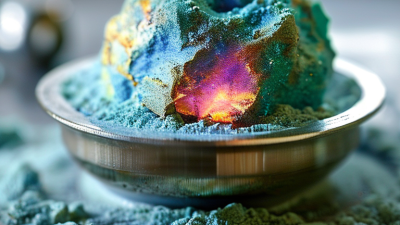
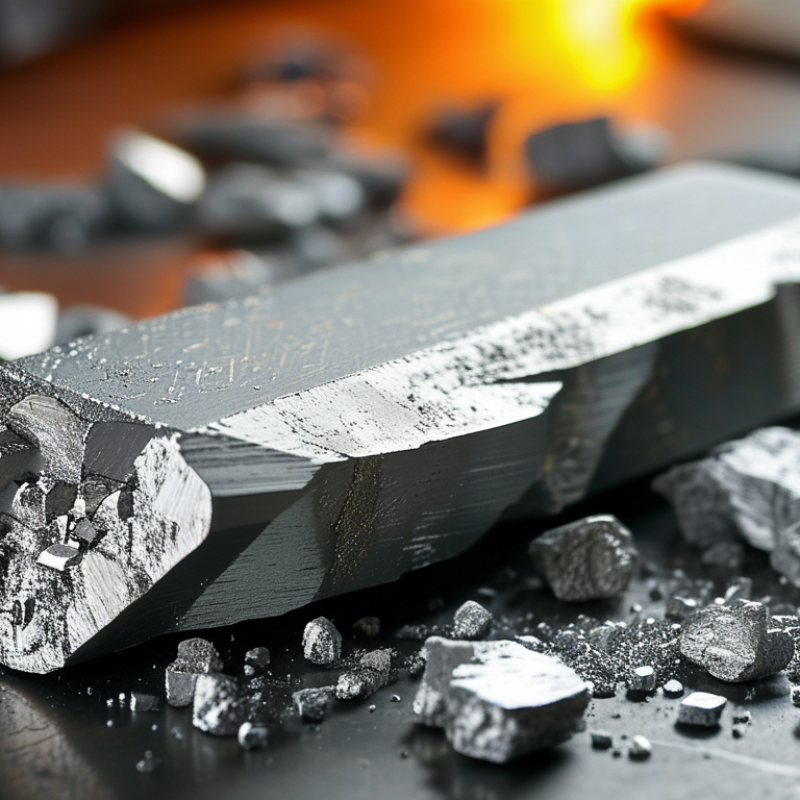
Scandium is a lightweight, silver-white metal with atomic number 21. NIST records its density at about 2.99 g/cm³ and melting point near 1,541°C. These properties support alloy design where low weight and thermal stability matter. Scandium metal is commonly supplied as pellets, powder, pieces, sputtering targets, or small ingots. Purity levels, particle size, surface condition, and packaging should match the final process.
The USGS Mineral Commodity Summaries 2024 estimated global scandium production at roughly 30 metric tons in 2023, measured as scandium oxide equivalent.
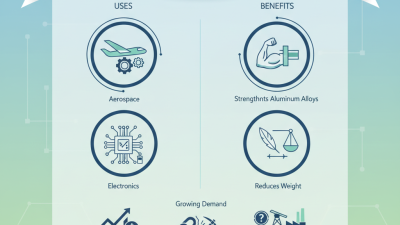
This small market explains why buyers often face limited availability and uneven price information. It also makes traceability important. In aluminum-scandium alloys, tiny additions can refine grain structure and improve weldability. Aerospace components, sporting equipment, and advanced transportation systems may benefit from these effects. Results still depend on alloy chemistry and heat treatment.
Scandium compounds also support solid oxide fuel cell research and specialized lighting applications. Metal targets serve thin-film and laboratory processes. However, published market figures are not perfectly consistent. Some reports combine metal, oxide, and recycled material. That creates confusion. Experienced buyers should request a certificate of analysis, impurity limits, batch weight, and production date. A practical review should include oxygen, iron, silicon, and calcium levels, because small contaminants can affect demanding applications.
China’s Scandium Supply Chain and Production Capabilities
China Best Scandium Metal Supplier for Global Buyers
China’s scandium supply chain is built around recovery, refining, and downstream alloy production. Scandium rarely comes from dedicated mines. It is usually recovered from titanium dioxide, nickel, cobalt, or rare-earth processing residues. China’s broad chemical-processing base supports this route. Industrial facilities can separate scandium concentrates, produce high-purity scandium oxide, and convert it into metal or aluminum-scandium master alloys.
The U.S. Geological Survey’s Mineral Commodity Summaries 2024 and 2025 list global scandium mine production and reserves as unavailable. This is important. Public statistics remain incomplete. China does not publish a fully transparent, standalone scandium output series. Therefore, buyers should avoid treating estimated annual supply figures as proven facts. A professional supplier should provide batch-level assay results, impurity specifications, production dates, and material traceability.
China’s production capability is strongest in flexible processing. Small-volume orders can be customized for research, aerospace materials, solid oxide fuel cells, and advanced aluminum alloys. Typical quality checks include scandium content, iron, silicon, calcium, and oxygen levels. Packaging matters too. Scandium metal can arrive as lumps, chips, or sputtering targets, often sealed against moisture and contamination. The supply chain is capable, but not perfectly transparent. That weakness deserves careful review. Independent testing remains wise before long-term purchasing.
How to Evaluate a Reliable Scandium Metal Supplier in China
Choosing the best scandium metal supplier in China requires more than comparing prices. A reliable supplier should provide clear specifications, recent test results, and stable batch quality. Ask for scandium purity, metallic form, particle size, and impurity limits. A complete certificate of analysis should identify the testing method and batch number.
Check whether the supplier can explain its production and quality-control process. Traceability matters. Each shipment should connect to a production record, inspection report, and suitable packaging details. For a small sample, inspect the metal’s appearance, container seal, labeling, and measured composition. Do not trust a polished website alone. It proves very little.
Communication reveals practical experience. A dependable Chinese supplier answers technical questions directly and confirms lead times in writing. Discuss minimum order quantities, sample policy, payment terms, export documents, and handling requirements before placing an order. Ask how the material is protected from moisture and contamination during transport. Some suppliers provide impressive documents but vague answers. That is a warning sign. An independent laboratory test can add confidence, although it increases cost and time. Buyers should also check whether the supplier follows applicable trade, safety, and customs requirements for the destination market. Small details can expose large weaknesses.
Quality Standards, Purity Grades, and Certification Requirements
China Best Scandium Metal Supplier for Global Buyers
Quality begins with a clear specification, not a sales promise. Buyers should confirm scandium metal purity, physical form, particle size, and packaging before placing an order. Common grades include 99.9%, 99.99%, and 99.999% purity, but test methods must also be stated. A reliable supplier should provide a recent Certificate of Analysis with batch number, test date, measured impurities, and analytical method. These details help buyers compare quotations fairly.
Certification requirements may vary by destination and application. Request an SDS, product specification sheet, origin information, and transport documents. Quality systems aligned with ISO 9001 can support consistent production, although certification alone does not prove every batch is perfect. Independent laboratory testing may be wise for high-value materials. I have found that small details, such as sealed inner packaging and moisture protection, can prevent avoidable disputes. Still, documentation can contain gaps, so buyers should review it critically.
Tips: Ask for a sample before bulk purchasing. Match the sample’s lot number with the final shipment. Confirm whether impurities such as iron, silicon, and oxygen are reported separately. Discuss storage conditions, inspection rights, and corrective action terms in writing. Do not accept “high purity” without a numerical grade and test evidence. A practical checklist works better than trust alone.
Global Purchasing, Export Logistics, and Supply Risk Management
China Best Scandium Metal Supplier for Global Buyers
Global Purchasing, Export Logistics, and Supply Risk Management
Buying scandium metal requires more than comparing prices. Buyers should confirm purity, particle or piece size, packaging, and available production capacity. A dependable supplier provides batch test reports, packing photos, and clear commercial documents. These details support technical reviews and customs preparation. Export planning should begin before the purchase order. Confirm the destination country's import rules, tariff classification, labeling needs, and approved transport route. Scandium may require careful handling because small quantities can have significant value. Moisture-resistant inner packaging, sealed outer containers, and shock protection reduce avoidable loss. Delivery terms must identify responsibility for insurance, customs clearance, and delays. Do not rely on vague promises.
Tips: Request a sample first. Compare two test reports. Keep every document.
Supply risk management needs practical backup plans. Ask whether raw material sources are diversified and whether production can support repeat orders. A written lead-time range is more useful than an attractive fixed promise. Buyers should also set inspection points before shipment, including weight, seal condition, and certificate consistency. Currency changes, port congestion, and changing customs requirements can affect the final cost. One weakness remains: forecasts are never perfect. Review risks monthly, and keep a qualified alternative supplier under evaluation. This approach may cost more initially, but it protects production schedules when one shipment arrives late. Reliable purchasing depends on evidence, communication, and disciplined follow-up.