Why Are Rare Metals Essential for Modern Technology and Industry?
In today's high-tech world, the role of rare metals cannot be underestimated. They are the backbone of advanced technology and industrial progress. Renowned expert Dr. Emily Chen, a leading researcher in material sciences, states, "Rare metals are crucial for innovations that drive our digital age." This highlights the profound impact these elements have on modern life.
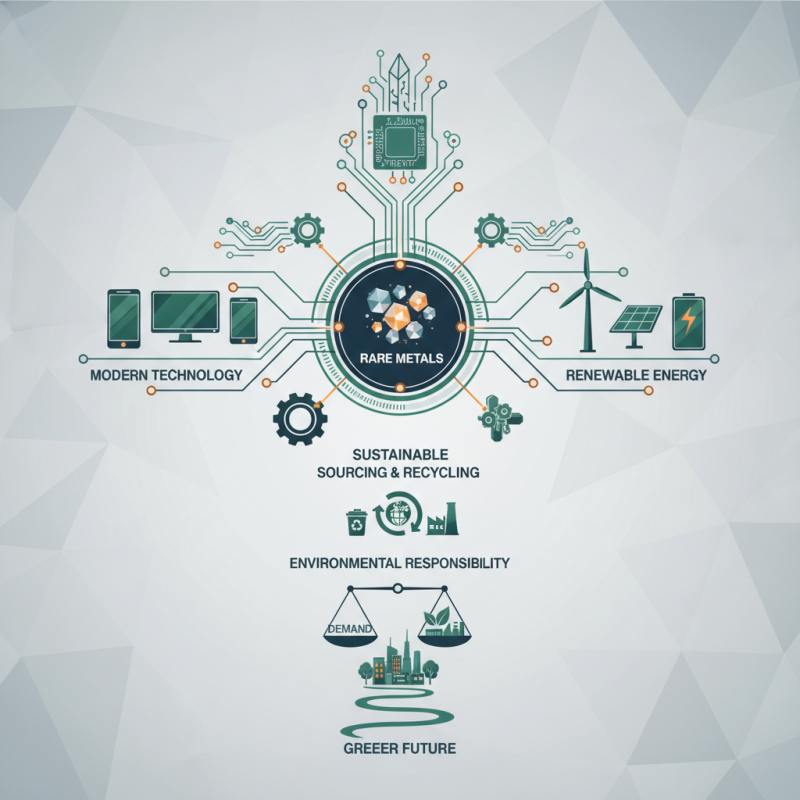
Rare metals, such as indium and tantalum, are used in everything from smartphones to renewable energy systems. They improve efficiency and performance in many applications. However, access to these materials is often limited. This leads to challenges in sustainable sourcing and recycling. Many industries face the dilemma of balancing demand with environmental responsibility.
The journey towards a greener future may feel daunting. Innovative solutions are necessary to address resource scarcity. As society continues to evolve, the importance of rare metals will grow. We must reflect on our approach to using these precious resources. Embracing responsibility in their use is essential for long-term success.
The Definition and Characteristics of Rare Metals
Rare metals, often classified as critical materials, have unique properties that make them invaluable in modern technology. These metals, such as lithium, cobalt, and rare earth elements, possess high conductivity, resistance to corrosion, and magnetic properties. For instance, lithium is essential in rechargeable batteries, powering everything from smartphones to electric vehicles. According to the U.S. Geological Survey, global lithium consumption is projected to rise by over 20% annually through 2025, reflecting its crucial role in sustainable technologies.
One striking characteristic of rare metals is their scarcity and geographical concentration. Many of these elements are only found in specific regions, leading to supply chain vulnerabilities. For example, over 90% of the world's rare earth supply comes from China. This makes industries reliant on these materials susceptible to geopolitical tensions. Furthermore, extraction processes can be environmentally damaging, raising questions about sustainability and responsible sourcing.
The market for rare metals is constantly evolving. With growing demand for green technologies, the need for reliable data and practices increases. Industry reports indicate that the value of rare metals is expected to expand significantly, driven by advancements in technology and shifting global policies. Navigating these complexities requires a balance between innovation and ethical responsibility in resource management.
Why Are Rare Metals Essential for Modern Technology and Industry? - The Definition and Characteristics of Rare Metals
| Rare Metal |
Symbol |
Primary Uses |
Characteristics |
| Lithium |
Li |
Batteries, Pharmaceuticals |
Lightweight, High Electrochemical Potential |
| Cobalt |
Co |
Batteries, Alloys |
High Melting Point, Magnetic Properties |
| Rare Earth Elements |
Various |
Electronics, Magnets, Catalysts |
Unique Magnetic and Optical Properties |
| Indium |
In |
Displays, Solders |
Low Melting Point, High Ductility |
| Tantalum |
Ta |
Electronics, Medical Devices |
Corrosion Resistant, Excellent Capacitance |
The Role of Rare Metals in Modern Electronics and Technology
Rare metals are crucial in modern electronics and technology. They enable the production of high-performance devices. Elements like tantalum, indium, and gallium play key roles in smartphones, computers, and renewable energy systems. These metals enhance conductivity and miniaturization, paving the way for advanced gadgets.
Tips: Consider the environmental impact of rare metal mining. Responsible sourcing is vital. Research companies that prioritize sustainability in their supply chains.
The demand for rare metals is rising sharply. As technology evolves, the need for efficient materials increases. However, over-reliance on these scarce resources can lead to vulnerabilities. Developing alternatives is essential for long-term stability.
Tips: Staying informed about recycling programs for electronic waste can help mitigate shortages. Engage in local initiatives that focus on reusing and recycling electronics.
Importance of Rare Metals in Modern Technology
Applications of Rare Metals in Renewable Energy Solutions
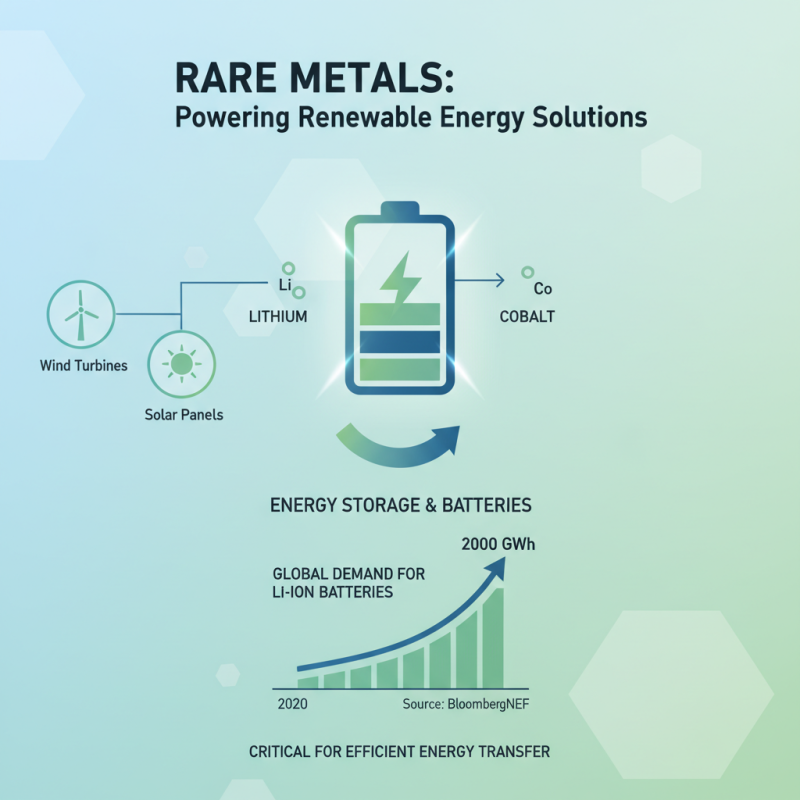
Rare metals play a critical role in renewable energy solutions. These elements, such as lithium and cobalt, are essential for energy storage and battery technologies. According to a report by BloombergNEF, the demand for lithium-ion batteries will surge, reaching an estimated 2,000 GWh by 2030. This demand significantly relies on rare metals for efficient energy transfer.
Furthermore, rare metals like neodymium contribute to wind turbine technology. They are used in high-performance magnets, which enhance energy generation. As the global wind energy capacity grows, which is projected to hit over 1,000 GW by 2025, the importance of these metals cannot be overstated. However, the extraction process can have environmental impacts that need addressing.
Moreover, the recycling of rare metals presents both opportunities and challenges. The increasing focus on sustainability calls for improved recycling methods to recover valuable materials from spent batteries and electronic waste. Many studies highlight that only about 5% of lithium is currently recycled. This issue calls for innovation in both technology and policy to ensure a sustainable future.
Economic and Strategic Importance of Rare Metals in Industry
Rare metals play a crucial role in modern technology and industrial applications. These elements, which include lithium, cobalt, and rare earth elements, are vital for manufacturing electronics, batteries, and renewable energy technologies. Industry relies heavily on these materials to create products that improve daily life. Without them, many innovations would not be possible. Their unique properties enable advancements in high-performance computing and electric vehicles.
The economic importance of rare metals cannot be overstated. Countries with abundant resources can dominate global markets. This demand drives geopolitical strategies as nations vie for access. However, reliance on rare metal supply chains raises concerns. Environmental impacts from mining and refining these metals can be devastating. Pollution and habitat destruction are serious issues. Furthermore, the mining industry often involves complex ethical considerations, such as labor practices.
Strategically, the sourcing of rare metals shapes international relations. Nations must navigate a landscape of resource scarcity and trade agreements. Vulnerabilities exist in supply chains, emphasizing the need for recycling and sustainable practices. Innovations in this area are emerging. Efforts to develop alternative materials show promise but also highlight the challenge of finding suitable substitutes. Balancing economic needs with ethical and environmental responsibilities remains a pressing concern in the industry.
Challenges and Future Trends in Rare Metal Extraction and Use
The extraction of rare metals is fraught with challenges. Environmental issues often come to the forefront. For instance, mining can lead to habitat destruction. Heavy metals may also contaminate local water supplies. Communities living near mining sites frequently suffer from health risks. Addressing these issues needs attention from both industry and government.
Future trends indicate a push towards sustainable practices. New methods are being developed to recycle rare metals. Innovations in technology could minimize environmental impacts. However, these methods are not yet widely implemented. The industry still struggles with economic viability. Current recycling processes can be costly and inefficient. This raises questions about the long-term sustainability of rare metal usage.
Another challenge is the geopolitical aspect of rare metal supply chains. Many rare metals are located in politically unstable regions. This can lead to supply disruptions. Companies must navigate these risks to maintain operations. Global cooperation is essential for a resilient supply chain. Yet, collaboration often faces hurdles, including differing regulations and standards. It’s a complex landscape that requires ongoing reflection and improvement.