Top Rare Metals in Demand for Technology and Industry Today?
In today's rapidly evolving technology landscape, the demand for rare metals is surging. Experts emphasize their significance in driving innovation across various industries. Dr. Emily Thompson, a leading authority in the rare metals field, stated, "Rare metals are the backbone of modern technology, essential for our future."
As electric vehicles and renewable energies gain momentum, the reliance on rare metals like lithium and cobalt increases. These materials are crucial for batteries that power our devices. However, sourcing these metals comes with challenges. Ethical mining practices are often not prioritized, raising concerns about sustainability. The balance between demand and responsible extraction is delicate.
The industry faces a stark reality. While the need for rare metals grows, so does the pressure on supply chains. This complex situation requires ongoing reflection. Innovations in recycling could offer a solution, yet the technology needs time to mature. In the end, our reliance on rare metals poses significant questions about the future of our technology and its impact on the planet.

Overview of Rare Metals in Modern Technology and Industry
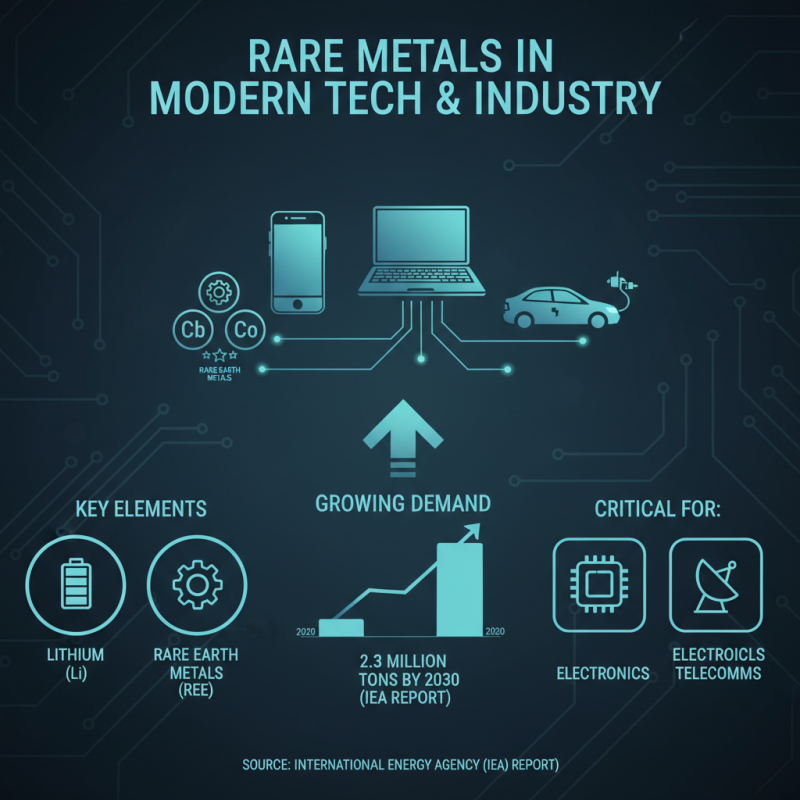
Rare metals are increasingly vital in our technology-driven world. Elements like lithium, cobalt, and rare earth metals are essential for the manufacturing of batteries, electronics, and telecommunications equipment. According to a report by the International Energy Agency, demand for lithium alone could surge to 2.3 million tons by 2030, driven predominantly by electric vehicle production. This highlights the importance of these metals in modern industry.
Many industries rely heavily on rare metals. Cobalt is crucial for lithium-ion batteries, while neodymium is essential for permanent magnets in wind turbines and electric motors. However, sourcing these metals raises concerns. The geopolitical landscape can affect supply chains. This leads to price volatility, impacting industries that depend on consistent access to these materials.
Tip: Companies should consider diversifying their sources for rare metals to mitigate risks. Exploring recycling options for battery components is another strategy. Developing alternatives or substitutes could also lessen dependency on specific metals, driving innovation. As demand grows, the conversation around sustainable sourcing and ethics in mining practices remains critical. This reflects our shared responsibility in technology development.
Key Applications of Rare Metals in Electronics and Energy Sectors
Rare metals play a crucial role in modern electronics and energy sectors. They drive innovation and efficiency. For instance, indium is essential in touchscreens and solar cells. It enhances the performance of displays, making technology more responsive and efficient. Without these materials, many devices would suffer from limitations.
In the energy sector, rare earth metals like neodymium are vital. They are used in powerful magnets for wind turbines and electric car motors. Their strength allows for compact designs, boosting energy efficiency. However, the extraction process has environmental implications that need addressing. Mining can disrupt ecosystems, raising concerns over sustainability.
The demand for these metals is high, but the supply chain poses challenges. Many countries rely on imports, making them vulnerable to geopolitical tensions. Finding new sources or alternatives is critical. Industry leaders must explore ways to recycle these metals effectively. Balancing technology needs with environmental responsibility is an ongoing struggle.
Factors Driving Demand for Rare Metals in Global Markets
The demand for rare metals is surging, driven by technological advancements. Industries depend on these essential materials for various applications. For instance, lithium is crucial for batteries in electric vehicles, while cobalt and nickel are vital for energy storage systems. According to a recent report by the International Energy Agency, global demand for lithium could increase by over 40% annually until 2030.
Several factors contribute to this rising demand. The transition to renewable energy plays a pivotal role. As governments aim for greener initiatives, the need for rare metals escalates. Moreover, the growth in consumer electronics has further intensified this demand. Reports indicate that the electronics sector alone consumes about 20% of the world's rare metals.
Supply chain challenges also impact the market. Mining and extraction processes can be complex. Geopolitical factors may also disrupt availability. The reliance on a limited number of sources raises concerns about sustainability and risk. These issues highlight the pressing need for recycling initiatives and alternative materials to mitigate challenges in this critical sector.
Top Rare Metals in Demand for Technology and Industry
This chart illustrates the demand for various rare metals that are critical for technology and industrial applications. The data reflects the quantities in metric tons for the year 2023, highlighting key metals and their importance in global markets.
Challenges in Sourcing and Supply of Rare Metals Today
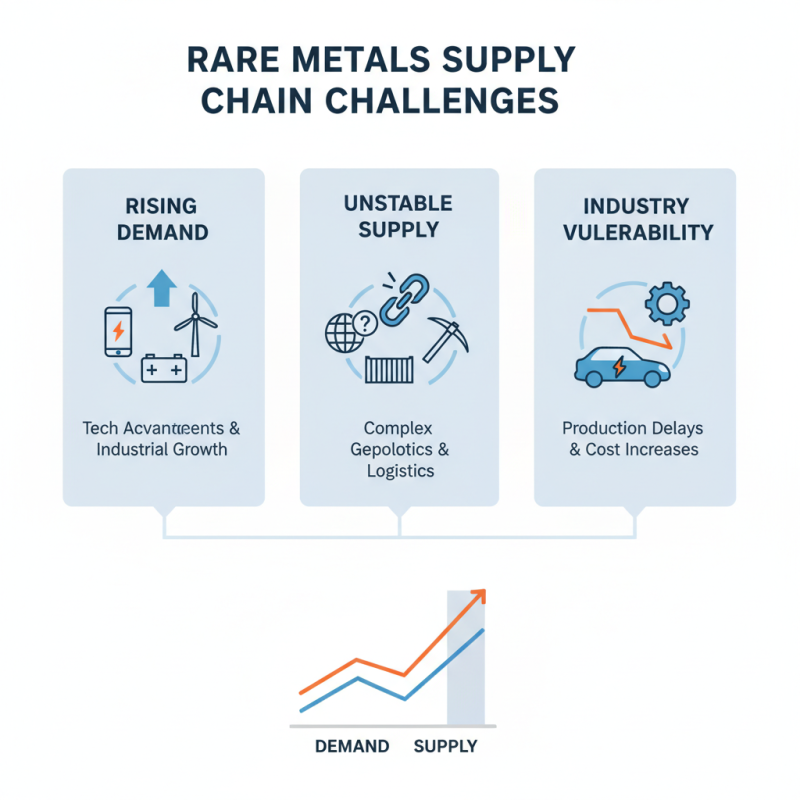
The sourcing and supply of rare metals have become increasingly challenging. Demand continues to rise due to technological advancements and industrial applications. However, the supply chain is unstable and complex, leaving many industries vulnerable.
Geopolitical tensions often disrupt the flow of these essential metals. For example, some regions are rich in certain rare metals, leading to dependency on a few suppliers. This creates risks for manufacturers, especially as global demand fluctuates. Many companies are now exploring alternative sources, but these can often be less reliable.
Recycling has emerged as a possible solution. It's an effective way to reclaim rare metals from older electronics. However, the processes are not yet fully optimized. Additionally, the quantity of metals recovered can vary significantly. The industry still faces hurdles in infrastructure and technology for efficient recycling. Emphasizing sustainable practices could help alleviate some supply issues, but it’s not a perfect fix.
Future Trends in Rare Metals Utilization and Recycling Techniques
The demand for rare metals is on the rise, driven by technological advancements. Industries rely on these materials for various applications, from electronics to renewable energy. As the awareness of sustainability grows, recycling techniques for rare metals have become crucial.
Innovative recycling methods are emerging. For instance, hydrometallurgical processes allow efficient extraction of metals from electronic waste. However, these techniques can be costly and complex. Some metals may not recover well through current methods, leaving room for improvement.
Research suggests that improving recycling technology could unlock significant potential. More efficient methods can boost recovery rates and reduce environmental impacts. Yet, challenges remain in scaling these technologies. Investing in new techniques is necessary to meet future demands and ensure sustainable practices in metal usage.