How to Use Praseodymium Oxide in Modern Applications?
Praseodymium Oxide is a rare earth compound with unique properties. Its applications span multiple industries, highlighting its versatility. The importance of Praseodymium Oxide in modern technology cannot be overstated.
In electronics, it plays a crucial role in manufacturing high-performance magnets. These magnets are essential for motors and generators, enabling efficient energy conversion. Additionally, Praseodymium Oxide is used in glass and ceramics, enhancing their color and stability.
Despite its benefits, challenges exist. Sourcing Praseodymium Oxide requires careful consideration due to environmental impacts. Further awareness of its sustainable use is necessary. Overall, understanding Praseodymium Oxide is vital for future innovations.
Properties of Praseodymium Oxide and Its Significance
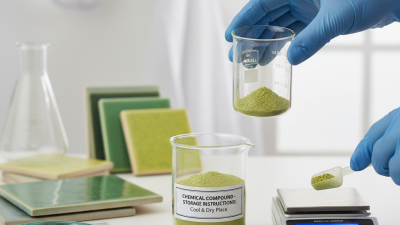
Praseodymium oxide (Pr2O3) exhibits unique properties that make it valuable in various fields. This compound is known for its high stability and resistance to heat. Its optical characteristics, such as light absorption and color, draw attention for advanced materials. Praseodymium oxide appears as a yellow to green powder, depending on the crystal structure. This feature allows it to be used in ceramics, where color consistency is vital.
The significance of praseodymium oxide extends to the realm of electronics. Its high refractive index serves well in optical coatings and provides improved performance in lasers. In addition, its ability to absorb certain wavelengths makes it suitable for use in specialized glass. However, challenges exist. For instance, sourcing high-purity praseodymium oxide can be complex. Environmental considerations also warrant reflection, as mining practices can impact ecosystems.
In renewable energy, praseodymium oxide is investigated for its role in wind turbine magnets and batteries. Its magnetic properties help enhance efficiency. Still, researchers must address scalability and cost issues. Exploring more sustainable extraction methods remains crucial for the future. As applications evolve, ongoing research will determine its place in emerging technologies.
Industrial Applications of Praseodymium Oxide in Catalysis
Praseodymium oxide plays a crucial role in industrial catalysis. It is often used as a catalyst in various chemical reactions. Studies have shown that praseodymium oxide exhibits excellent thermal stability and high catalytic activity. A report from the Journal of Catalysis indicates that the presence of praseodymium oxide enhances the reaction rates in processes like CO oxidation.
In the petrochemical industry, praseodymium oxide serves as a vital component in catalyst formulations. Its unique properties allow for significant improvements in selectivity and yield. For instance, research data highlights that catalysts containing praseodymium oxide can achieve up to a 30% increase in efficiency during hydrocracking processes. These results demonstrate the potential of praseodymium-based catalysts in optimizing production rates.
Challenges exist in the practical application of praseodymium oxide. Issues such as cost, availability, and recycling of materials need consideration. Additionally, while praseodymium oxide offers advantages, its performance can vary based on the reaction environment. Industry experts emphasize the importance of tailored approaches to fully exploit its catalytic capabilities. Understanding these nuances is essential for advancing its use in modern applications.
How to Use Praseodymium Oxide in Modern Applications? - Industrial Applications of Praseodymium Oxide in Catalysis
| Application Area |
Description |
Benefits |
Typical Usage |
| Catalysts in Automotive |
Used to enhance catalytic converters' efficiency. |
Improves emission control, reducing harmful pollutants. |
Petrol and diesel engines. |
| Fuel Cells |
Acts as a catalyst in hydrogen fuel cells. |
Increases energy conversion efficiency. |
Applications in electric vehicles. |
| Chemical Industry |
Facilitates reactions in organic synthesis. |
Enhances reaction rates and yields. |
Production of fine chemicals. |
| Glass Manufacturing |
Imparts color and optical properties to glass. |
Creates unique color tones and improves durability. |
Colored glassware and decorative items. |
| Lighting Technology |
Used in phosphorescent materials for lighting. |
Improves efficiency and brightness of lamps. |
LED and fluorescent lighting. |
Role of Praseodymium Oxide in Glass and Ceramics Manufacturing
Praseodymium oxide, a rare earth compound, plays a significant role in the manufacturing of glass and ceramics. Its unique properties enhance the quality of these materials. In glass production, praseodymium oxide is used as a colorant. It can provide a vibrant yellow hue that is both appealing and functional. This coloration is often sought after in decorative glass items.
In ceramics, praseodymium oxide contributes to the material's durability and heat resistance. This makes it ideal for high-performance applications. Ceramics infused with praseodymium can withstand higher temperatures without compromising their structure. However, sourcing praseodymium oxide must be approached with caution. The environmental impact of mining rare earth elements raises ethical concerns. This is an area where the industry must reflect and seek sustainable practices.
Not every outcome with praseodymium oxide is perfect. Sometimes, the color quality can vary due to impurities. This inconsistency may affect the final appearance of the glass or ceramic products. Manufacturers must remain vigilant and refine their processes. Continuous improvement is essential to harness the full potential of praseodymium oxide.
Use of Praseodymium Oxide in Electronics and Magnetics
Praseodymium oxide plays a vital role in electronics and magnetics. Its unique properties allow for various applications. This compound is used in producing advanced electronic components. For instance, in capacitors and semiconductors, praseodymium oxide enhances performance. This results in improved energy efficiency.
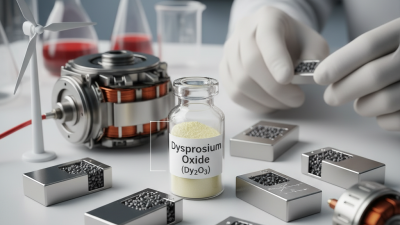
In the field of magnetics, praseodymium oxide is often utilized to create powerful permanent magnets. These magnets are essential for electric motors and generators. However, the production process can be challenging. Achieving the desired purity and consistency requires careful handling. Industry professionals must constantly adapt to these challenges.
The integration of praseodymium oxide into technology is an ongoing journey. Researchers continue to explore new possibilities. Despite its advantages, there may be drawbacks, such as cost and supply sustainability. It's crucial to balance innovation with practical constraints. This exploration is essential for the future of electronics and magnetics.
Future Trends in Praseodymium Oxide Utilization and Innovations
Praseodymium oxide is gaining traction in various modern applications. Its role in
catalysts for petroleum refining and manufacturing is significant. Recent reports indicate that
this compound can enhance efficiency by up to 30% in some processes. As industries seek greener solutions, praseodymium oxide stands out.
Future trends show promising innovations. Research indicates a shift towards using praseodymium oxide in advanced materials, particularly in
battery technologies. According to a 2023 market analysis, the demand in the energy storage sector is expected to grow annually by
15%. This highlights its importance in sustaining renewable energy initiatives.
Tip: Companies must experiment with praseodymium oxide formulations. This could lead to breakthroughs in producing
stronger, lighter materials. While the potential is high, challenges remain. The balance of
cost efficiency and performance is still under investigation.
Another area of interest is praseodymium oxide's application in electronics. Analysts suggest it could improve the performance of electronic components significantly. However,
more data is needed to fully understand these impacts.
Tip: Invest in research collaborations. This enables access to cutting-edge technologies and innovative uses for praseodymium oxide, ensuring your place in the future market.