Leave Your Message

Top Rare Earth Oxides Suppliers for Global Buyers

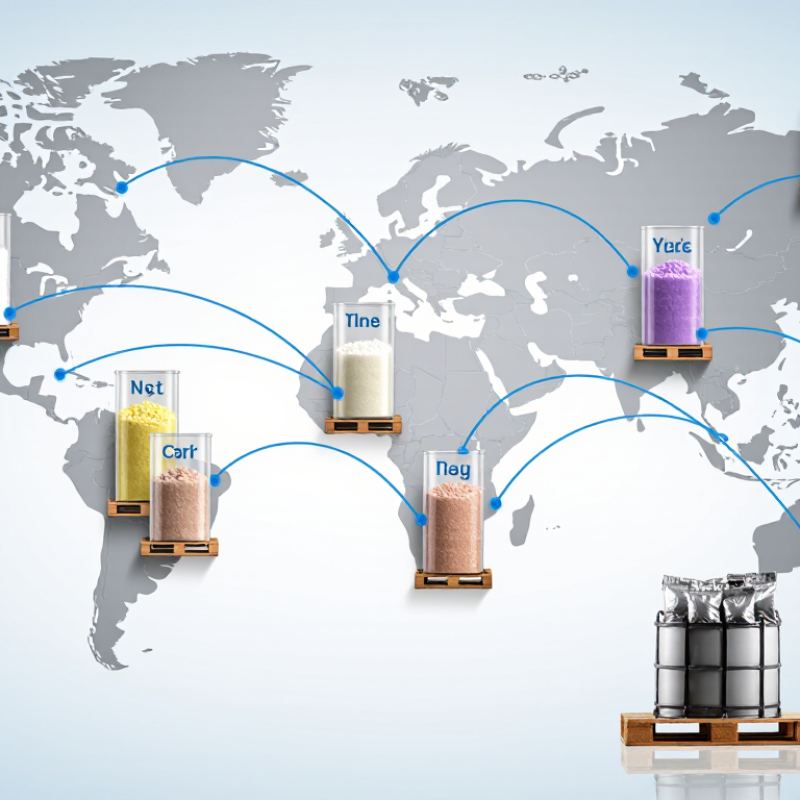
Global buyers need more than a supplier name and a competitive quotation. They need dependable quality, stable delivery, and clear documentation. This guide introduces leading suppliers of Rare Earth Oxides for industrial and technical applications. It considers product range, production capacity, export experience, and customer support. The review also examines common materials, including cerium, lanthanum, neodymium, yttrium, and dysprosium oxides.

Quality begins with evidence. Reliable suppliers should provide recent certificates of analysis, batch numbers, purity grades, and impurity profiles. Buyers should check whether testing comes from an accredited laboratory. Packaging also matters. Moisture-sensitive powders may arrive in sealed bags inside reinforced drums. Particle size, color, and handling instructions can affect downstream processing. Traceability is essential when materials move through several countries.

No ranking is perfect. Prices change quickly, and production conditions can influence availability. A supplier with excellent technical expertise may not offer the shortest lead time. Another may provide fast delivery but limited customization. Therefore, this overview uses practical purchasing factors rather than promotional claims. It encourages buyers to compare samples, verify certifications, review compliance documents, and discuss realistic delivery terms. Small details matter. A careful evaluation can reduce quality disputes and unexpected delays. Still, buyers should reassess suppliers regularly, because market conditions, regulations, and refining capacity continue to change.
Top Rare Earth Oxides Suppliers for Global Buyers

Rare Earth Oxides: Types, Uses, and Market Scope

Top Rare Earth Oxides Suppliers for Global Buyers

Rare earth oxides are not one uniform material group. Cerium oxide supports glass polishing and catalytic applications, while lanthanum oxide improves optical glass and battery electrodes. Neodymium and praseodymium oxides feed permanent-magnet production. Dysprosium and terbium oxides help magnets retain performance at elevated temperatures. Yttrium oxide serves advanced ceramics, phosphors, and thermal-barrier coatings.

The market is broad, but supply quality varies sharply. The U.S. Geological Survey reported global rare earth mine production of about 350,000 metric tons in 2023, measured in rare-earth-oxide equivalent. China supplied approximately 240,000 tons. These figures describe mined material, not refined oxide availability. That distinction matters.

350,000
metric tons in 2023
240,000
tons supplied by China

The International Energy Agency’s 2024 critical-minerals outlook identifies permanent magnets as a major driver of future rare-earth demand. Automotive motors, wind turbines, electronics, polishing powders, and specialty ceramics all require different purity profiles.

Global buyers should examine oxide assay, particle size, moisture, packaging, trace-metal limits, and batch consistency. A certificate alone is not enough. Independent testing remains valuable.

Some specifications still look deceptively simple. “99.9% purity” may hide uneven distributions among individual rare-earth elements. Buyers should request recent laboratory results and production samples before signing long-term contracts. Supply resilience also deserves attention, including refining location, export documentation, and realistic lead times. Market reports provide direction, not certainty. Forecasts can miss recycling growth, substitution, or sudden processing disruptions.

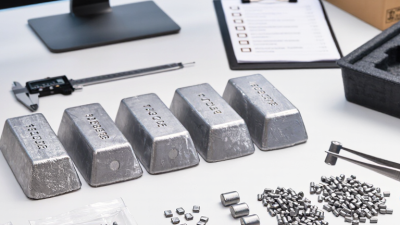
How to Evaluate Rare Earth Oxide Suppliers

Top Rare Earth Oxides Suppliers for Global Buyers

How to Evaluate Rare Earth Oxide Suppliers

Supplier evaluation should begin with material quality, not price. The U.S. Geological Survey reported global rare earth mine production of about 390,000 metric tons in 2024, measured as rare-earth-oxide equivalent. Large supply does not guarantee consistent oxide quality. Request a recent certificate of analysis for every batch. Check purity, moisture, particle size, and impurity limits. For neodymium, dysprosium, or terbium oxides, even small variations can affect magnet performance.

Traceability also matters. Ask where the material was separated, packed, and tested. The International Energy Agency reported that one country controlled about 91% of refined magnet rare earth output in 2023. This concentration increases exposure to export delays, policy changes, and logistics disruptions. A reliable supplier should provide production capacity, lead times, backup routes, and clear Incoterms. Independent laboratory verification is useful. A polished certificate is not proof.

Tips: Compare at least three suppliers using the same specification sheet. Confirm lot numbers match shipping documents. Test the first shipment before signing a long-term agreement. Review audit records, environmental controls, and worker-safety evidence. Do not ignore communication quality; slow answers often signal weak process control. No scorecard is perfect. Recheck assumptions when prices look unusually low.

Top Rare Earth Oxides Suppliers for Global Buyers - How to Evaluate Rare Earth Oxide Suppliers

Global mine production by country is a useful first-screening indicator when evaluating rare earth oxide supply risk. Greater geographic diversification can improve resilience, while production concentration may increase exposure to logistics, policy, and processing disruptions.

Data source: U.S. Geological Survey, Mineral Commodity Summaries 2024, estimated 2023 rare-earth mine production. Figures are reported in metric tons of rare-earth oxide equivalent and represent mine output, not individual supplier sales or refining capacity.

Major Supplier Regions and Production Capabilities

China remains the largest rare earth oxide supply region, with extensive separation, refining, and downstream processing capacity. Its facilities produce common oxides such as neodymium, praseodymium, dysprosium, and terbium at industrial scale. Large plants often support stable batch volumes, customized packaging, and regular export schedules. However, buyers should verify production dates, impurity limits, and shipment consistency.

Australia has strong mining capabilities and established resource management practices. Its suppliers often emphasize traceability from ore to finished oxide. The United States is expanding domestic separation and refining capacity, although availability may vary during ramp-up periods.

Southeast Asia also contributes important mineral feedstock, while some regional processing remains dependent on external refining networks.

European suppliers generally focus on specialty oxides, recycling, and high-purity applications. These materials may suit magnets, ceramics, catalysts, and laboratory production. Buyers should compare total supply capability, not only advertised purity.

Ask for assay certificates, rare earth oxide basis, moisture data, packaging specifications, and recent production records. A 99.5% grade can still perform poorly if contamination affects the final application.

Lead times also deserve attention. They are often underestimated. Supply diversification sounds practical, but qualification testing across several regions can take months. Even experienced purchasers may overlook this delay.

Quality Standards, Compliance, Pricing, and Logistics

Top Rare Earth Oxides Suppliers for Global Buyers

Reliable sourcing starts with measurable quality. Buyers should request a current certificate of analysis, batch number, purity data, and particle-size results. Important checks include moisture, trace-metal limits, packaging condition, and production consistency. A supplier may meet purity targets but still fail on particle size. That difference can affect sintering, polishing, or catalyst performance. Traceability matters too. Origin records and retained samples make disputes easier to investigate.

Compliance should cover safety data sheets, GHS labeling, customs documents, and destination-specific chemical requirements. Export controls and end-use screening also need careful review. Pricing should show more than the oxide cost. Compare purity, packaging, inspection fees, payment terms, insurance, and Incoterms. A low quote can still be expensive after port charges and unexpected clearance delays.

Tips: Ask for a sample before signing a large contract. Confirm whether the quoted price includes testing and export documentation. Use moisture-resistant inner liners and strong outer drums. Request photos before dispatch. Build extra time into the shipping plan. No checklist catches every delay. I would also keep one approved backup source, because even a qualified supplier can face equipment repairs, raw-material shortages, or changing freight schedules.

Building a Reliable Global Sourcing Strategy for Rare Earth Oxides

A reliable global sourcing strategy for rare earth oxides begins with precise material definitions. Buyers should specify oxide grade, purity, particle size, moisture limits, packaging, and intended application. A certificate of analysis should match independent test results, not merely supplier templates. In practice, request a sealed sample from the same production lot. Check calcium, iron, sodium, and radioactive impurities where relevant. Small differences can disrupt sintering, polishing, or catalyst performance.

Supplier evaluation needs evidence beyond a polished website. Review production capacity, batch records, quality controls, export experience, and contingency plans. Ask how the supplier handles mine-to-oxide traceability and sudden feedstock changes. An on-site or third-party audit can reveal storage conditions, labeling gaps, and weak calibration routines. Keep at least two qualified sources in different regions. Dual sourcing costs more. Downtime costs more.

Commercial terms should reflect reality. Compare delivered cost, lead time, minimum order quantity, payment terms, insurance, and port performance. Use staged orders before signing a long contract. Track shipment temperature and humidity when packaging requires it. Confirm customs documentation and destination-country requirements with qualified compliance professionals. No sourcing plan is perfect. Early forecasts can be wrong, especially during energy or transport disruptions. Monthly supplier reviews, retained samples, and clear corrective-action deadlines make the strategy more resilient.