What are the Benefits of Scandium Metal for Global Buyers?
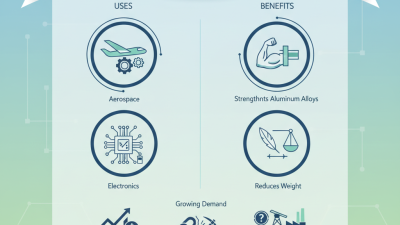
Scandium Metal is increasingly recognized for its unique properties in various industries. Recent market analyses indicate that the global demand for scandium is projected to reach over 170 tons by 2030. This forecast is driven by its applications in aerospace, automotive, and electronics. With its ability to improve the strength and durability of aluminum alloys, Scandium Metal has become a key component in lightweight materials.
The aerospace sector is particularly benefiting from scandium. According to research by the International Council on Clean Transportation, using scandium alloys can reduce aircraft weight by up to 8%. This reduction not only enhances fuel efficiency but also lowers emissions, aligning with global sustainability goals. However, the scarcity of scandium resources remains a challenge, reflecting the complex dynamics of mining and processing this rare metal.
Despite these hurdles, global buyers are keen to explore the advantages of Scandium Metal. Its rising significance presents both opportunities and risks. The fluctuating availability and pricing can affect long-term investment decisions. Recognizing these market trends and potential hurdles is essential for making informed choices in acquiring Scandium Metal.

Advantages of Scandium Metal in Lightweight Alloys
Scandium metal serves as a game changer for lightweight alloys. Its unique properties make it ideal for various applications, especially in aerospace and automotive industries. When added to aluminum, scanning enhances strength without adding significant weight. This combination leads to materials that are easier to handle and more fuel-efficient.
Moreover, scandium significantly improves weldability and resistance to corrosion. These features extend the lifespan of products made from scandium-infused alloys. However, sourcing scandium remains a challenge due to its limited availability. This scarcity can drive up costs and complicate supply chains for global buyers.
In the evolving landscape of material science, the reliance on lightweight alloys is increasingly scrutinized. Buyers must weigh the benefits of scandium against its market volatility. Many companies also seek alternatives in the quest for cost-effective and sustainable solutions. The pursuit of ideal alloys often leads to innovative approaches, revealing both the limitations and potential of various materials.
Role of Scandium in Enhancing Metal Properties
Scandium metal is gaining attention for its remarkable capacity to enhance metal properties. This lightweight element significantly improves the strength and durability of aluminum alloys. Just a small addition of scandium can make a difference in performance. It results in materials that withstand extreme conditions better than their standard counterparts.
When considering scandium incorporation into your metal formulations, note its potential for improving weldability. Metals treated with scandium demonstrate reduced cracking during welding. This characteristic can lead to more reliable and long-lasting structures. Buyers should also reflect on the trade-offs. Scandium can be costly and may require specific processing techniques.
Tips: Investigate the supply chain for reliable sources of scandium. This knowledge will help you make informed decisions. Engage with metallurgists for best practices in using scandium. Their insights can illuminate issues you may not have considered. Understanding these aspects can help buyers maximize the benefits of this valuable metal.
Economic Impact of Scandium on Manufacturing Industries
Scandium metal is emerging as a game changer in various manufacturing industries. Its unique properties, such as lightweight and high strength, make it invaluable. Incorporating scandium into aluminum alloys significantly enhances their durability. This improvement allows industries to create more efficient products with lower environmental impact.
However, the economic implications of adopting scandium are complex. While initial costs can be high, the long-term benefits may outweigh these challenges. Manufacturers may need to invest in new technologies and processes to fully harness scandium's advantages. This shift can be daunting but ultimately drives innovation and progress.
Tips for buyers considering scandium include evaluating production methods and potential supply chain issues. Building relationships with reliable suppliers can mitigate risks. Keep an eye on market trends, as scandium's value may fluctuate. This awareness can help industries optimize their purchasing strategies and ensure sustainability in production.
Scandium's Potential in Aerospace and Defense Applications
Scandium metal offers unique advantages in aerospace and defense sectors. It enhances the strength of aluminum alloys, making them lighter and more durable. This feature is crucial for aircraft, where weight reduction leads to fuel efficiency. Scandium also improves resistance to corrosion. This characteristic is vital for military applications, where equipment faces harsh environments.
However, the use of scandium is not without challenges. Its availability is limited, and production costs can be high. Buyers must navigate these complexities. Many smaller manufacturers may struggle to access the metal, creating an unequal playing field. This situation warrants careful consideration from global buyers.
Despite these hurdles, the potential of scandium remains significant. It has been tested in various defense technologies, showcasing improved performance. The ongoing research into scandium alloys promises to unlock even more applications. Buyers should weigh the pros and cons, considering their specific needs and capacities.
What are the Benefits of Scandium Metal for Global Buyers? - Scandium's Potential in Aerospace and Defense Applications
| Application Area |
Benefits |
Scandium Content (%) |
Weight Reduction (%) |
Potential Cost Savings (% Over Standard Alloys) |
| Aerospace Components |
Improved strength-to-weight ratio, corrosion resistance |
0.1 - 0.5 |
15 - 20 |
10 - 15 |
| Defense Equipment |
Enhanced durability, high-performance capability |
0.2 - 0.7 |
10 - 25 |
15 - 20 |
| Sporting Equipment |
Lightweight, increased performance |
0.3 - 0.6 |
20 - 30 |
5 - 10 |
| Automotive Applications |
Improved fuel efficiency, reduced emissions |
0.2 - 0.4 |
15 - 25 |
10 - 15 |
Environmental Benefits of Using Scandium in Production
Scandium metal possesses remarkable environmental benefits, making it an attractive choice for global buyers. This lightweight element enhances the properties of aluminum alloys, leading to stronger and lighter materials. Such advancements can dramatically reduce energy consumption in transportation and manufacturing industries. For example, lighter vehicles contribute to lower fuel emissions.
Incorporating scandium in production can also improve durability. Products made with scandium alloys often have longer lifespans, reducing waste. Using sustainable materials in the manufacturing process is essential for addressing climate change. Buyers should consider the long-term impact of their material choices.
Tips: When looking for sustainable materials, prioritize those that enhance performance while reducing environmental harm. Discussing with experts can help identify the best options. Evaluate the lifecycle of products to ensure minimal ecological impact. Making smart choices today can lead to a better tomorrow.