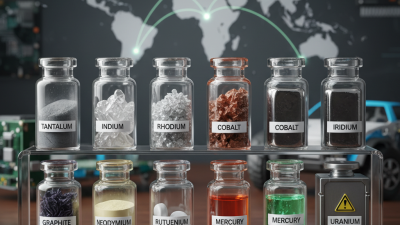
Top Rare Metal Types You Should Know About?
In the world of mining and materials, understanding rare metals is crucial. Dr. Amelia Raine, a renowned expert in materials science, states, "Rare metals are the backbone of modern technology." This statement emphasizes their pivotal role in various industries, including electronics and renewable energy.
Rare metals, such as tantalum and indium, are not just scarce; they are essential. Their applications range from smartphones to solar panels, highlighting their significance in everyday life. However, the supply of these metals is often limited, leading to potential conflicts and ethical concerns in sourcing.
Many companies strive to innovate while responsibly sourcing rare metals. Yet, the complexity of global supply chains poses challenges. As the demand for these materials grows, the balance between extraction and sustainability needs reevaluation. The future of rare metals lies in careful management and ethical practices to ensure both technological advancement and environmental preservation.
Types of Rare Metals and Their Unique Properties
Rare metals are not just fascinating; they hold unique properties that are crucial for many technologies. One notable group includes lithium, essential for batteries in everything from smartphones to electric cars. Its lightweight and high electrochemical potential make it invaluable. However, extraction raises environmental concerns. We need to balance demand with sustainability.
Another important rare metal is tantalum. Known for its resistance to corrosion and high melting point, it plays a key role in electronic components. Think of capacitors in your devices—they often contain tantalum. But sourcing tantalum can contribute to social and environmental issues. Users must be informed about ethical sourcing.
Tips: When purchasing electronics, consider their components. Research the materials used. Understanding the origins of rare metals can inform better choices. Dispose of old gadgets responsibly; recycling can lessen the demand for new metal extraction.
Cobalt, another rare metal, is vital for many industries. Its role in rechargeable batteries cannot be overstated. However, cobalt mining has been linked to human rights abuses. Consumers should reflect on their electronic habits and seek transparency from manufacturers.
Top Rare Metal Types and Their Unique Properties
This chart illustrates the density of some of the most notable rare metals. Lutetium, Rhenium, Tantalum, Iridium, and Osmium are highlighted here, each known for their unique properties and applications in various industries, including electronics, aerospace, and pharmaceuticals.
Applications of Rare Metals in Modern Technology
Rare metals play a crucial role in modern technology. They are integral to numerous applications that define our digital and energy landscape. For instance, elements like lithium and cobalt are essential for battery production. Lithium-ion batteries power our smartphones and electric vehicles. The demand for these batteries is skyrocketing, leading to a race for sustainable extraction methods.
In electronics, rare metals such as tantalum and indium are vital. Tantalum capacitors enhance the performance of smartphones and tablets. Indium is used in touchscreens and solar panels. The unique properties of these metals make them indispensable. However, the sourcing of rare metals often raises ethical concerns and environmental issues. Mining practices can have devastating effects on ecosystems and local communities.
Recycling rare metals is an emerging solution. It offers a way to reduce the environmental footprint. Efforts to improve recycling technologies are growing. Yet, many challenges remain. Public awareness and policy support are needed to make significant changes. Navigating this complex landscape is essential for a sustainable future.
Global Sources and Supply Chains of Rare Metals
The global landscape of rare metals is intricate and vital for various industries. Countries such as China, Australia, and Russia dominate the supply chains, impacting the availability of these critical materials. For instance, China produces over 70% of the world’s rare earth elements. Their mining practices raise environmental concerns and debates about sustainability.
Moreover, logistics play a key role. Transporting rare metals involves complex supply chains that are vulnerable to disruptions. A report from the International Energy Agency highlights that geopolitical tensions can significantly affect the flow of these resources. The surge in demand for technologies like electric vehicles intensifies this issue. While experts predict a growing need for rare metals, sourcing them sustainably remains a challenge.
Research from the U.S. Geological Survey suggests that known reserves are limited. As industries evolve, the focus shifts to recycling and alternative materials. A shift towards circular economy practices is critical. This will mitigate dependence on primary sources. The path forward requires innovation and resilience in the supply chain to ensure reliability.
Environmental Impact and Challenges of Rare Metal Mining
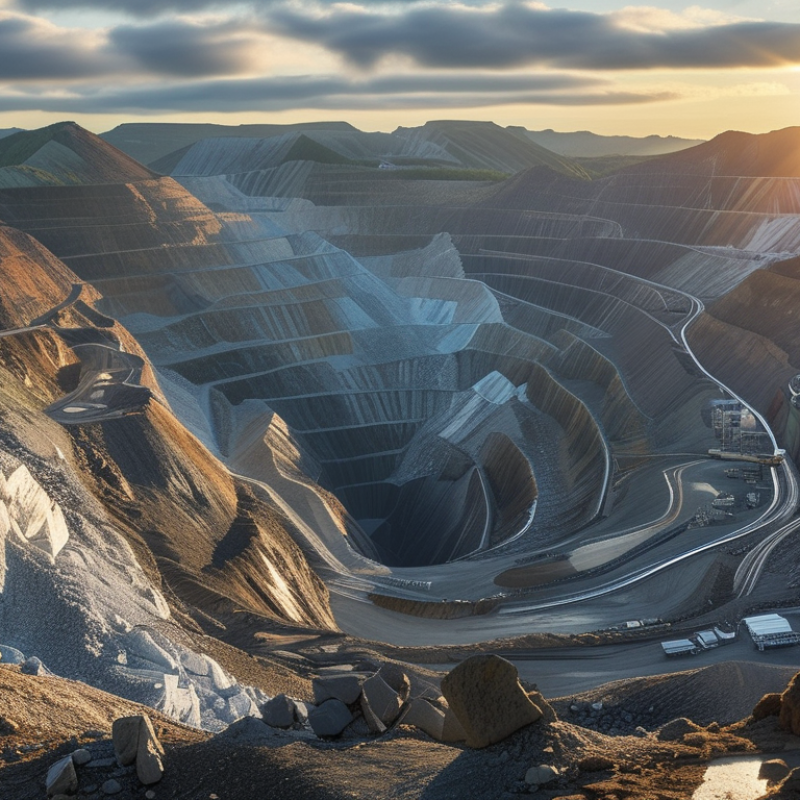
The extraction of rare metals poses significant environmental challenges. Mining operations often lead to habitat destruction. This impacts local biodiversity, affecting both flora and fauna. For instance, lithium mining has been linked to water depletion in areas like the Salar de Atacama.
Additionally, the processing of rare metals generates toxic waste. Studies indicate that mining and refining processes can release heavy metals into water sources. According to the International Council on Mining and Metals, around 1.5 billion tons of waste are produced annually from metal mining. The contamination of soil and water threatens communities and wildlife, raising concerns over health impacts.
Mining also entails high energy consumption. Reports show that lithium-ion battery production alone can emit 30% more carbon dioxide than traditional car batteries. The complex extraction processes inadvertently contribute to greenhouse gas emissions. The search for rare metals must balance technological advancements with sustainable practices to reduce these environmental impacts.
Top Rare Metal Types You Should Know About
| Metal Type |
Symbol |
Environmental Impact |
Challenges in Mining |
| Lithium |
Li |
Water depletion, habitat destruction |
High energy consumption, geopolitical risks |
| Cobalt |
Co |
Soil and water contamination |
Child labor concerns, ethical sourcing |
| Rare Earth Elements |
(Various) |
Toxic waste generation |
High extraction costs, limited reserves |
| Tantalum |
Ta |
Deforestation, pollution |
Supply chain instability, complex extraction process |
| Indium |
In |
Chemical contamination |
Depleting sources, recycling challenges |
Future Trends in Rare Metal Demand and Sustainability
The demand for rare metals is rapidly evolving. As industries shift toward sustainable technologies, the need for these metals grows. Lithium and cobalt are prime examples, vital for batteries in electric vehicles and renewable energy systems. However, the environmental toll from mining practices raises concerns. Industries must address these challenges to align with sustainability goals.
Tips: Consider recycling rare metals from old electronics. This practice helps reduce the demand for new mining. Also, support companies that prioritize ethical sourcing. Transparency is key in the supply chain.
Emerging technologies will reshape the landscape. Innovations in extraction methods could lessen environmental impact. Experiments in biotechnological solutions show promise. Yet, these methods require thorough research and investment. The balance between demand and eco-friendliness remains delicate.
Awareness is crucial. Understanding the lifecycle of rare metals can influence consumer choices. Educating oneself leads to better decisions. The future hinges on responsible practices and sustainable innovations. Each step matters in this complex scenario.