Leave Your Message

How to Buy Lanthanum Metal from Trusted Suppliers

Buying Lanthanum Metal requires more than comparing prices on a supplier’s website. Quality, origin, processing route, and documentation can affect performance and total cost. Lanthanum is commonly recovered alongside cerium and other rare earth elements. Therefore, its availability may depend on the broader rare-earth market.

The U.S. Geological Survey reported approximately 390,000 metric tons of rare-earth mine production worldwide in 2024, measured in rare-earth-oxide equivalent. China remained the leading producer. The International Energy Agency also highlights China’s strong position across rare-earth processing and refining. These figures show why supply-chain transparency matters.

Look beyond a polished catalog.

A trusted supplier should provide a recent certificate of analysis, batch number, purity specification, particle or piece size, and impurity limits. Ask whether the material is elemental Lanthanum Metal, an alloy, or a compound. Those forms are not interchangeable. Check packaging details carefully, especially moisture barriers and labeling.

Jack Lifton, a veteran rare-earths market analyst, has stated, “The rare earths are not rare; they are difficult to produce economically.” His observation remains useful when evaluating unusually low quotations. Cheap material may reflect different purity, unclear origin, or incomplete testing.

This guide will examine supplier verification, technical documents, pricing signals, and practical purchasing questions. It will also identify warning signs that deserve closer review. No checklist is perfect. Even experienced buyers can overlook changing export rules, inconsistent assays, or hidden logistics costs. Reliable purchasing depends on evidence, not confidence alone.

How to Buy Lanthanum Metal from Trusted Suppliers

Define Lanthanum Metal Specifications and Intended Applications

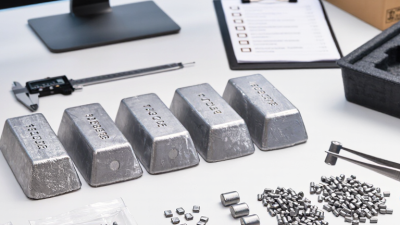
Before contacting a supplier, define how the lanthanum metal will be used. A research target may require small pieces, while alloy production may need larger ingots. State the required purity and identify critical impurity limits. Iron, carbon, oxygen, and other rare-earth residues can affect performance. Do not rely on “high purity” alone. Request a specification sheet, certificate of analysis, and batch traceability records. Include dimensions, weight tolerance, surface condition, and packaging requirements. Lanthanum can react with air and moisture. Sealed, labeled packaging may matter more than a small price difference. I once treated purity as the whole specification. That was incomplete.

The intended application should guide every purchasing detail. For alloy development, ask about composition consistency and melting behavior. For laboratory work, define piece size, cleanliness, and a manageable quantity. For research equipment, confirm whether the metal must meet electrical, thermal, or mechanical limits. Provide the supplier with operating temperatures and handling conditions. This helps them recommend a suitable form without guessing. A dependable supplier should explain test methods, storage conditions, lead times, and shipping documentation. Compare technical responses, not just quotations. If a requirement is uncertain, mark it for review before ordering. That small pause can prevent unusable material. Specifications sometimes change after testing. Keep that possibility visible.

Identify Qualified Lanthanum Metal Suppliers

How to Buy Lanthanum Metal from Trusted Suppliers

Identify Qualified Lanthanum Metal Suppliers

A qualified lanthanum metal supplier should provide clear product data before discussing price. Request purity, form, dimensions, particle size, and lot number details. Ask for a recent certificate of analysis from an identifiable testing laboratory. The certificate should match the proposed material, not an older sample. Safety data sheets should explain storage, handling, and transport conditions. A polished website is not proof.

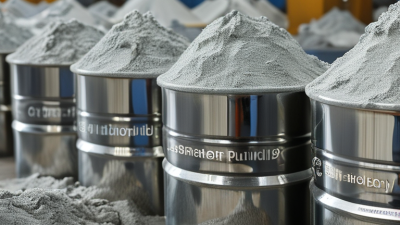
Check whether the supplier can show consistent production records and material traceability. Reliable companies usually explain their refining process, packaging method, and quality controls without avoiding technical questions. For metal pieces or powder, packaging matters greatly. Moisture-resistant, sealed containers can reduce oxidation during storage and shipment. Request photographs of actual packaging when practical. Small details reveal weak procedures.

Evaluate communication as carefully as documentation. A capable technical representative should answer questions about impurities, minimum order quantities, lead times, and inspection options. Independent testing may be worthwhile for high-value purchases. One common mistake is accepting a low quotation before confirming the specification. I still treat unusually cheap offers cautiously. They may reflect different purity, inconsistent batches, or incomplete delivery terms. Check business registration, export documents, payment instructions, and dispute procedures. Confirm that the supplier follows applicable chemical, customs, and workplace safety requirements in your region.

Verify Supplier Credentials, Purity, and Product Documentation

How to Buy Lanthanum Metal from Trusted Suppliers

A reliable purchase begins with checking the supplier’s credentials. Confirm its registered business details, operating address, and technical contact. Ask how long it has supplied lanthanum metal and request recent customer references. A polished website proves very little.

I once treated a professional-looking quotation as evidence of quality. That was a mistake.

Request a current certificate of analysis for the exact production lot. It should state lanthanum content, impurity limits, test methods, lot number, and test date. Check elements such as iron, copper, calcium, and oxygen when your application requires tight control. The stated purity should match the product specification, not merely the sales description. Ask whether an independent laboratory can verify the sample.

Small samples matter.

Review the safety data sheet, technical specification, packaging details, and storage instructions. The documents should use consistent names, grades, units, and lot numbers. Inspect the container when it arrives. Look for intact seals, clear labels, and signs of moisture exposure. Keep photographs and receiving records. Supplier certificates can contain errors, and laboratory testing adds cost. Still, it may prevent a larger loss. A careful supplier should answer technical questions directly, explain unusual results, and correct documents without pressure. Reliability appears in these ordinary details.

Compare Pricing, Packaging, Delivery, and Contract Terms

How to Buy Lanthanum Metal from Trusted Suppliers

Lanthanum metal pricing depends on purity, form, volume, and market timing. A practical quotation should separate metal value, conversion, packaging, freight, insurance, and duties. The USGS Mineral Commodity Summaries 2024 reported global rare-earth mine production at about 350,000 metric tons of rare-earth-oxide equivalent in 2023. China supplied roughly 240,000 tons. This concentration can affect availability and price discussions. Ask for a current validity period, not an open-ended quotation.

Packaging needs equal attention. Confirm whether the metal arrives as ingots, pieces, or powder, and specify net weight per container. Moisture-resistant inner bags, sealed drums, and clear batch labels reduce handling errors. Require a certificate of analysis showing lanthanum content, impurities, lot number, and test method. The IEA’s Global Critical Minerals Outlook 2024 highlights refining concentration as a major supply-chain risk. Delivery terms should therefore state origin, Incoterms, production lead time, inspection rights, and delay procedures. Small details matter.

Contract terms often reveal supplier reliability. Include tolerances for weight and purity, replacement rules, payment milestones, insurance responsibility, and documented change notices. Independent pre-shipment inspection may cost more, but it can prevent expensive disputes. I would not treat the lowest offer as the best offer. That assumption is sometimes wrong. A transparent supplier should explain unusual price movements and provide consistent batch records. Some buyers overlook currency clauses and storage limits. That mistake deserves review.

How to Buy Lanthanum Metal from Trusted Suppliers

Compare indicative pricing, packaging, delivery timelines, and contract terms for industrial procurement planning.

Packaging

Common industrial formats include sealed metal cans, vacuum bags, or argon-filled containers in 1 kg, 5 kg, and 25 kg pack sizes.

Delivery

Planning lead times commonly range from 10 to 45 days, depending on stock availability, quantity, export documentation, and requested purity.

Contract Terms

Longer commitments may reduce the indicative unit price but can involve minimum order quantities, scheduled releases, payment terms, and price-adjustment clauses.

Indicative non-company-specific planning benchmarks in USD per kilogram. Actual quotations vary by purity, order volume, origin, certification, packaging, logistics, and market conditions.

Place the Order and Inspect the Delivered Lanthanum Metal

How to Buy Lanthanum Metal from Trusted Suppliers

Place the order with a written specification, not a casual quotation. State purity, shape, dimensions, packing, quantity, and acceptable impurity limits. Request a certificate of analysis linked to the exact batch number. The report should identify testing methods, assay results, and the production date. The USGS Mineral Commodity Summaries 2024 reported about 350,000 metric tons of rare-earth mine production in 2023, measured as rare-earth oxide equivalent. However, it does not publish separate lanthanum output. This limitation makes supplier traceability especially important.

When the shipment arrives, photograph the unopened package and record its weight. Check the seal, labels, lot number, and moisture protection. Lanthanum metal can develop surface oxidation, so a dull film does not automatically prove poor quality. Still, powder, deep cracking, or unexpected discoloration requires investigation. Compare the received dimensions with the purchase order. If purity is critical, send a retained sample to an independent laboratory for elemental analysis. I would not approve a perfect-looking bar without testing. Appearance is only one clue.

Tips: Ask for a pre-shipment photo showing the lot number. Use tamper-evident packaging and keep inspection records. A practical mistake is accepting the certificate without matching its batch number. The IEA’s Global Critical Minerals Outlook 2024 notes that roughly 90% of rare-earth refining remains concentrated in one dominant supply region. Diversifying qualified sources may reduce delivery risk, but it can also create inconsistent specifications. Check that difference before placing repeat orders.

How to Buy Lanthanum Metal from Trusted Suppliers - Place the Order and Inspect the Delivered Lanthanum Metal

Purchase and Inspection Dimension Recommended Requirement or Verification Point Relevant Data or Acceptance Criterion Documents or Evidence to Request
Product identity Confirm that the material supplied is lanthanum metal rather than a lanthanum compound or mixed rare-earth alloy. Element: Lanthanum; symbol: La; atomic number: 57; CAS Registry Number: 7439-91-0. Certificate of analysis, product specification, safety data sheet, and lot identification.
Chemical purity Select a purity grade that matches the application and require impurity limits to be stated separately. Common commercial grades are specified as approximately 99% or higher; the exact guaranteed purity and impurity profile must be written in the purchase specification. Lot-specific analytical report showing lanthanum content and limits for other rare-earth elements, iron, silicon, carbon, oxygen, and other relevant impurities.
Physical form Specify the form before ordering because handling, sampling, and oxidation risk vary by product shape. Typical forms include pieces, lumps, ingots, granules, and powder. Powder normally requires stricter fire and dust controls than larger pieces. Product drawing or size range, photographs of the packed material, and packaging specification.
Reference physical properties Use reference values for technical review, not as a substitute for the agreed product specification. Relative atomic mass: 138.90547; melting point: about 920 °C; boiling point: about 3,464 °C; density: about 6.16 g/cm³ near room temperature. Technical data sheet with the measurement conditions and cited test methods.
Surface condition Inspect for excessive oxidation, contamination, oil, moisture, and foreign particles. The material should be consistent with the agreed appearance and should not contain visible water, loose packaging debris, or unapproved coatings. Approved visual standard, inspection photographs, and nonconformance procedure.
Packaging and atmosphere Require packaging that limits contact with air and moisture during storage and transport. Lanthanum is a reactive metal and can oxidize in air; packaging should be sealed, dry, clearly labeled, and suitable for the selected particle size. Packaging specification, sealing method, inner-bag material, net weight, gross weight, and package photographs.
Supplier qualification Verify technical capability, traceability, export experience, and consistent quality control before placing the order. The supplier should be able to provide lot traceability, test records, product specifications, safety information, and a written response to quality claims. Quality certificate, manufacturing or trading authorization where applicable, audit questionnaire, references, and sample test results.
Order specification Put all essential requirements into the quotation, purchase order, and sales contract. Define quantity, purity, physical form, particle or piece size, packaging, required documents, delivery terms, inspection method, and acceptance limits. Signed quotation, purchase order, pro forma invoice, approved specification, and agreed change-control terms.
Pre-shipment inspection Check the lot before dispatch when the order value or application risk justifies inspection. Verify lot number, package count, gross and net weights, seal condition, labels, sample identity, and test results against the purchase order. Pre-shipment inspection report, signed packing list, certificate of analysis, and sealed-package photographs.
Delivery receiving check Inspect the shipment before moving it into approved storage. Compare package count and labels with the packing list; record visible damage, wet cartons, broken seals, abnormal swelling, or evidence of leakage. Receiving checklist, delivery photographs, carrier damage record, and weight verification.
Sampling and testing Use a documented sampling plan and avoid exposing the entire lot unnecessarily. Confirm identity and composition with a suitable laboratory method, such as validated elemental analysis; test moisture or oxygen-related contamination when required by the application. Sampling record, chain of custody, laboratory report, test method, detection limits, and retained sample reference.
Weight and quantity reconciliation Reconcile the received quantity with the contract and packing list. Record net weight by package and total shipment weight; investigate any difference exceeding the tolerance stated in the purchase order. Calibrated-scale record, packing list, delivery note, and discrepancy report if applicable.
Storage and handling Store the material in a cool, dry, well-controlled area using the precautions specified in the safety data sheet. Keep containers closed and protected from moisture, heat, ignition sources, and incompatible chemicals; handle powders with appropriate dust-control measures. Safety data sheet, internal storage procedure, hazard assessment, and operator training record.
Acceptance and nonconformance Define the decision process before delivery to prevent disputes. Accept only when identity, purity, quantity, form, packaging, documents, and test results meet the agreed criteria; quarantine material that fails inspection. Goods-receipt approval, quarantine label, corrective-action request, replacement or credit agreement, and final release record.