Buying Europium Oxide globally requires more than comparing prices on a supplier’s webpage. The material may appear as a fine, pale powder, yet its value depends on purity, particle size, packaging, origin, and documentation. USGS Mineral Commodity Summaries 2025 reported approximately 390,000 metric tons of global rare-earth mine production in 2024, measured as rare-earth-oxide equivalent. However, europium oxide is rarely reported separately, making transparent supplier data especially important.
Rare-earth analyst Jack Lifton has often stated, “Rare earths are not rare; they are difficult to mine economically.” That observation matters when evaluating Europium Oxide supply chains. A low quotation may hide limited stock, unclear refining practices, weak quality control, or expensive transport conditions. The European Commission’s Critical Raw Materials assessments also underline the importance of supply concentration and strategic material security.
This guide presents ten practical checks for international buyers. Request a recent certificate of analysis, not a generic specification sheet. Confirm the Eu2O3 or Eu4O3 purity basis. Ask whether impurities such as iron, calcium, and other rare earths are measured. Inspect the lot number, production date, and resealable inner packaging. Also verify SDS availability, customs classification, Incoterms, insurance, and export documentation.
Small details matter.
A supplier may promise 99.99% purity but omit the testing method. That should invite questions, not immediate trust. Independent laboratory testing can protect large purchases, although it adds time and cost. Buyers should also compare sample performance, lead times, payment terms, and after-sales support. No single checklist eliminates risk. It creates a clearer basis for judgment, which is more realistic.

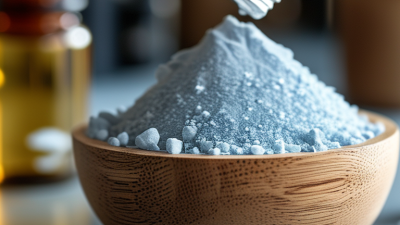
Europium oxide, written as Eu2O3, is a rare-earth compound made from europium and oxygen. It usually appears as a fine white or pale pink powder. The color can vary with particle size, purity, and processing conditions. It is stable at high temperatures but reacts with acids. Water does not dissolve it easily.
Its most recognized industrial role is producing red phosphors. These phosphors help create vivid red tones in display panels, specialized lamps, and imaging equipment. Europium oxide also supports color control in advanced ceramics and glass. Some manufacturers use europium-based materials in security inks and optical components. Small dosage matters. Excess material can reduce performance instead of improving it.
Global buyers should define the required grade before requesting quotations. Purity alone is not enough. Check europium content, trace impurities, particle size, moisture, and ignition loss. A reliable supplier should provide a recent certificate of analysis and a safety data sheet. Packaging must protect the powder from contamination and humidity during long transport. Customs classification and chemical documentation also need local review.
One common mistake is assuming higher purity always gives better value. That assumption needs testing. Application trials, batch samples, and independent laboratory checks can reveal differences hidden by a simple specification sheet. Supply continuity matters too, because rare-earth markets can change quickly. I would also question unusually low prices. They may reflect different grades, incomplete testing, or unclear delivery terms.

When buying europium oxide across borders, purity grade is only the starting point. Commercial specifications often list 99.9%, 99.99%, or 99.999% Eu2O3 on a rare-earth oxide basis. Ask whether the percentage excludes moisture and non-rare-earth contaminants. A “99.99%” claim can mean very different things without a defined testing method. Request the latest certificate of analysis for the exact lot, not a generic product sheet. Check assay, moisture, ignition loss, and insoluble matter separately. Small differences matter.
Review the impurity table line by line. Dysprosium, gadolinium, samarium, and iron may affect optical, ceramic, or phosphor performance. Specify maximum limits in ppm, rather than accepting “trace” language. Confirm whether results come from ICP-OES, ICP-MS, or another validated method. Ask for detection limits and uncertainty when high-purity material is required. X-ray diffraction can support phase identification, but it does not replace elemental analysis. This distinction is easy to miss.
Technical fit also depends on physical form. Record particle-size distribution, bulk density, color, flow behavior, and packaging atmosphere. A fine powder may disperse well, yet create handling problems during weighing. I once focused too heavily on assay and underestimated moisture pickup during storage. That was a practical mistake. Use sealed, labeled packaging with lot numbers and retest dates. Compare the data with your process conditions, then verify a sample before committing to repeated global shipments. Supplier documentation helps, but independent confirmation remains valuable.
The chart compares commonly specified nominal minimum europium oxide purity grades. Confirm the exact limits, test method, and basis of measurement in the supplier’s current certificate of analysis.
Purity-grade values are nominal industry specification levels rather than a guarantee of any particular shipment. Final procurement decisions should be based on a mutually agreed technical specification and batch documentation.
A reliable supplier should provide a complete company profile, not just a price sheet. Check its legal registration, factory address, ownership details, and export experience. Request recent certificates of analysis for several batches. Compare europium oxide purity, particle size, moisture, and trace-metal results. The numbers should remain consistent.
Ask for ISO 9001 records and relevant safety documents, including a current SDS. Depending on the destination, review applicable chemical import, labeling, and environmental requirements. Do not accept copied certificates without verification. Contact the issuing laboratory when possible. A polished document proves little by itself. This is an easy mistake.
Production capacity needs practical evidence. Request monthly output, normal lead time, minimum order quantity, and recent delivery performance. A supplier claiming large capacity should explain its equipment, quality-control steps, and backup production plans. Ask whether the quoted material comes from regular production or a special trial batch. These are different risks.
Consider a remote factory audit or an independent inspection before signing. Review packaging photos, batch labels, storage conditions, and container sealing. Order a small sample, then test it through an accredited laboratory. Results may differ from the supplier’s report. That uncomfortable gap deserves attention. Keep written records of specifications, payment terms, inspection rights, and corrective actions. Clear records protect both sides when production changes, shipments are delayed, or a batch fails.
Buying europium oxide globally requires more than comparing quoted prices. Request at least three offers with purity, particle size, packaging, and quantity stated. A cheaper kilogram may hide higher assay limits or expensive testing. Calculate landed cost, including freight, insurance, duties, broker fees, and local taxes. Use the same currency and delivery basis. Incoterms matter here. FCA, CIF, and DDP can produce very different final costs. Confirm what each quotation includes.
Ask suppliers for a recent certificate of analysis, safety data sheet, and batch traceability. Check europium content, moisture, impurities, and package weight. Independent laboratory verification may be worthwhile for high-value orders. It is not always necessary, but skipping it can be costly. Compare shipping terms carefully. Confirm lead time, approved carriers, regulatory classification, insurance coverage, and moisture controls. Rare-earth powders need secure, clearly labeled packaging. Get written answers, not vague promises.
Import regulations can change by destination, end use, and product classification. Verify the correct customs code with a licensed broker or competent authority. Check import permits, chemical registration, labeling, SDS language, and recordkeeping requirements before payment. Some countries also request end-use statements or additional documentation. Screen every transaction against applicable trade controls. A low price is meaningless if customs clearance fails. Test a small shipment first. It can reveal paperwork gaps and actual delivery costs. Online quotes look precise, but they often omit difficult details. Leave contingency time and budget.
| Tip | Buying Dimension | What to Compare | Practical Global Guidance | Buyer Action |
|---|---|---|---|---|
| 1 | Confirm the Material Identity | Formula, CAS number, appearance, and chemical grade | Europium oxide is commonly identified as Eu2O3, CAS No. 1308-96-9. It is generally supplied as a white to pale pink powder. | Require the specification sheet and safety data sheet before requesting quotations. |
| 2 | Compare Purity Levels | Europium oxide content and trace-metal limits | Typical commercial grades include approximately 99.9%, 99.99%, and 99.999% purity. Higher purity normally commands a substantial premium and may require tighter analytical documentation. | Match purity to the application instead of automatically purchasing the highest grade. |
| 3 | Use Indicative Price Bands Correctly | Purity, order quantity, origin, packaging, and delivery basis | Indicative bulk planning ranges: 99.9%: US$500–1,500/kg; 99.99%: US$900–2,500/kg; 99.999%: US$1,500–4,000+/kg. | Use these ranges only for initial budgeting. Obtain a dated quotation because rare-earth prices can change with supply, demand, currency, and export policy. |
| 4 | Compare Regional Sourcing Economics | Material price versus logistics, duties, financing, and compliance cost | Asian supply routes may offer competitive product pricing; European and North American purchases may reduce transit time or simplify local compliance. The lowest product price is not always the lowest landed cost. | Calculate landed cost using product value, freight, insurance, customs charges, taxes, testing, and handling fees. |
| 5 | Select the Incoterm Carefully | EXW, FOB, FCA, CIF, CIP, DAP, or DDP responsibilities | FOB/FCA generally leaves main freight and import clearance to the buyer. CIF/CIP includes transport and insurance to the named destination but normally does not transfer import-clearance responsibility. DAP delivers to the destination without the seller normally paying import duties and taxes. DDP assigns the broadest delivery responsibility to the seller where legally permitted. | Request identical quotations under the same Incoterm, named place, currency, and shipment size. |
| 6 | Review Freight and Packaging | Transport mode, moisture protection, package size, and dangerous-goods classification | Europium oxide is an inorganic powder and is commonly shipped in sealed inner bags, fiber or plastic drums, or other moisture-protective packaging. It is not automatically classified as dangerous goods solely because it is a rare-earth compound; the applicable SDS and carrier rules must be checked. | Confirm packaging integrity, palletization, net and gross weight, UN classification status, and freight documentation before dispatch. |
| 7 | Estimate Lead Time and Supply Risk | Production schedule, export clearance, transit time, and inspection | Indicative total lead times are often 3–8 weeks for established supply routes, but can be longer when export licensing, port congestion, laboratory testing, or custom purity requirements apply. | Ask for a firm ready-date, shipment window, certificate-of-analysis date, and contingency plan for delays. |
| 8 | Check Import Documentation | Commercial invoice, packing list, bill of lading or airway bill, SDS, certificate of analysis, and origin statement | Customs authorities may require a complete chemical description, CAS number, quantity, customs value, country of origin, and end-use information. The exact tariff code must be confirmed with the importer’s customs broker because classification can depend on national tariff schedules and product form. | Make the invoice, packing list, SDS, and certificate of analysis consistent in product name, quantity, and origin. |
| 9 | Check Major-Market Regulations | Chemical registration, importer obligations, export controls, and local permits |
European Union: verify REACH obligations, importer status, and CLP labeling requirements where applicable. United States: confirm TSCA inventory status, importer responsibilities, customs classification, and any applicable state requirements. China: verify current rare-earth export-control, customs, and licensing requirements before shipment. Japan and South Korea: review chemical inventory, import notification, customs, and end-use requirements. India and other markets: confirm the current tariff code, import documentation, tax treatment, and any chemical or strategic-material controls. |
Have the importer, customs broker, and compliance specialist validate requirements for the exact origin, destination, quantity, and end use. |
| 10 | Verify Quality Before Full Purchase | Independent testing, batch consistency, particle size, moisture, and trace elements | For optical, phosphor, ceramic, and research applications, relevant parameters can include purity by mass, moisture or loss on ignition, particle-size distribution, and limits for iron, calcium, silicon, sodium, and other trace elements. | Order a representative sample, specify acceptance criteria, and retain a pre-shipment sample or inspection right for larger orders. |
| Planning note: Price bands are indicative, non-binding budgeting ranges for bulk material and exclude freight, insurance, duties, taxes, testing, and local handling. Final customs treatment, tariff classification, chemical registration, and export-control requirements must be confirmed for the specific transaction before ordering. | ||||
Buying europium oxide globally requires more than comparing assay percentages and prices. A dependable supplier should provide a current safety data sheet, certificate of analysis, batch number, and clear origin records. Review the material’s assay, moisture level, particle size, and trace impurities against your process requirements. Do not accept vague specifications. Quality varies between production batches.
Plan safe handling before the shipment arrives. Europium oxide powder can become airborne during pouring, so use local ventilation, protective gloves, eye protection, and suitable respiratory controls. Keep the container closed when not in use. Dust matters. Train staff to avoid sweeping spills into the air. Use approved waste procedures and follow the safety data sheet for your location.
Store the material in a dry, cool area with stable temperature and clear labeling. Secondary containment can protect nearby materials from damaged packaging. On delivery, inspect seals, labels, dents, moisture, and unexpected discoloration. Quarantine questionable containers until testing is complete. Confirm the batch number matches the documents, then sample using a controlled procedure. Consider X-ray diffraction, elemental analysis, and moisture testing when purity is critical. A common mistake is trusting paperwork without checking the physical product. No checklist is perfect. Records still matter. Reassess storage conditions after opening, because repeated exposure to humid air may affect powder quality.