China Top 10 Praseodymium Neodymium Oxide Suppliers?
China remains central to the global supply of Praseodymium Neodymium Oxide, a key material for high-performance permanent magnets. According to the U.S. Geological Survey’s Mineral Commodity Summaries 2025, China produced approximately 270,000 metric tons of rare-earth-oxide equivalent in 2024. This represented the largest national share of global mined production. The International Energy Agency also reports that China leads rare-earth separation, refining, and magnet manufacturing. That concentration gives Chinese suppliers strong advantages in processing scale, technical experience, and supply-chain integration.
This guide examines China’s top 10 Praseodymium Neodymium Oxide suppliers through practical purchasing criteria. These include chemical purity, praseodymium-to-neodymium ratios, annual capacity, batch consistency, quality certifications, packaging, and export experience. A reliable supplier should provide a recent certificate of analysis, impurity limits, particle-size data, and traceable production records. Details matter. One inconsistent batch can affect magnet performance, furnace settings, and downstream production costs.
However, supplier rankings are not absolute. Public company data can be incomplete, and production capacity does not always equal available export volume. Numbers can mislead. Therefore, this overview combines published industry data with commercial indicators and technical considerations. Buyers should still verify factory capabilities, sample results, regulatory documents, and delivery terms before signing contracts. The strongest supplier is not necessarily the largest. It is the one that consistently meets specification, communicates clearly, and supports quality control after shipment. These practical checks make the following list more useful for manufacturers, distributors, and procurement teams seeking dependable Chinese rare-earth partners.
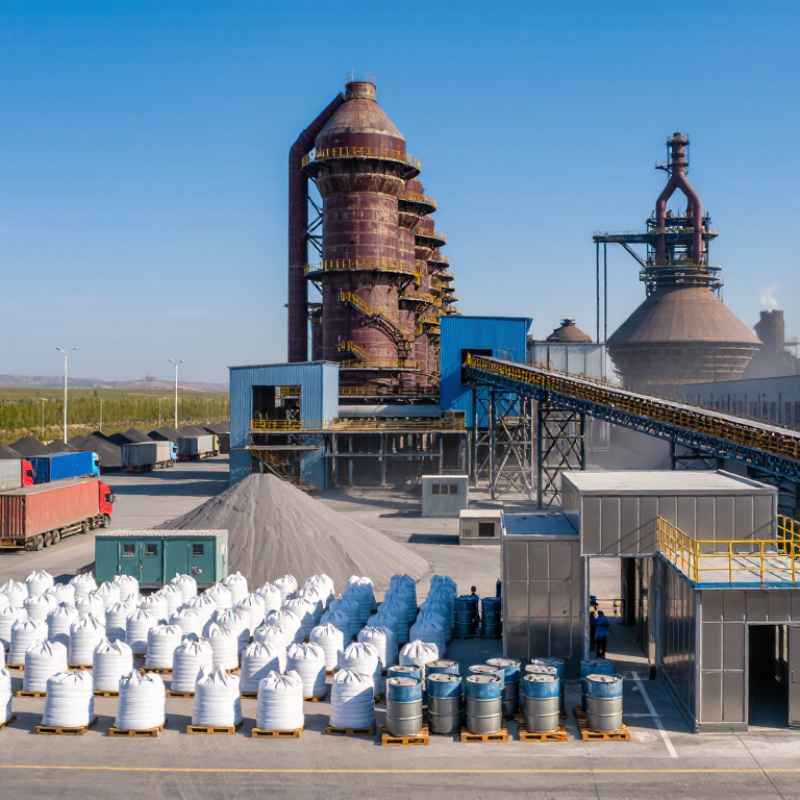
What Is Praseodymium Neodymium Oxide?
Praseodymium neodymium oxide is a mixed rare-earth oxide containing praseodymium and neodymium. It is commonly written as (Pr,Nd)2O3, although its exact composition can vary. This variation matters. A material with more neodymium may suit different production requirements than one with higher praseodymium content.
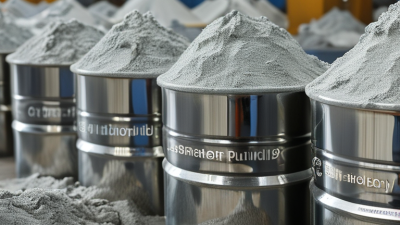
The powder usually appears pale yellow, brown, or grayish, depending on purity and processing conditions. It is produced from rare-earth compounds through controlled separation, precipitation, drying, and calcination. In industrial use, it supports the manufacture of high-performance permanent magnets, specialty glass, ceramic pigments, and selected catalytic materials. Its value depends on more than its chemical name. Particle size, moisture, impurity levels, and loss on ignition can affect processing results.
From a buyer’s perspective, a reliable specification should show Pr6O11 and Nd2O3 content separately, rather than listing only total rare-earth oxide. Certificates should also report iron, calcium, silicon, and other trace impurities. Laboratory verification is still wise. Paperwork can be incomplete.
Storage requires sealed packaging and a dry environment. The powder should not be handled casually, because dust may irritate the eyes and respiratory system. In my experience, small differences between batches can become visible during magnet sintering or ceramic firing. That is easy to underestimate. Clear sampling procedures and repeat testing help connect the supplied powder with stable production performance.
How China’s Praseodymium Neodymium Oxide Industry Operates
China’s praseodymium neodymium oxide industry operates through a layered supply chain. Mining companies provide rare-earth concentrates, while separation plants produce mixed and separated oxides. Specialized processors then adjust purity, particle size, and packaging for magnet manufacturers.
The United States Geological Survey reported that China produced about 240,000 metric tons of rare-earth mine output in 2023, measured as rare-earth oxide equivalent. This figure represented most global production. However, mine output does not equal finished NdPr oxide supply. Separation capacity, feedstock contracts, environmental approvals, and logistics shape actual availability.
A practical top-ten supplier review should examine more than annual sales. It should compare NdPr oxide purity, monthly capacity, batch consistency, export experience, and traceability documents. The International Energy Agency reported in 2024 that China held roughly 91% of global refined magnet rare-earth production capacity. That concentration explains its strong influence over pricing and delivery schedules.
Most transactions use long-term contracts, quarterly pricing discussions, or formula-based adjustments. Spot purchases remain possible, but they can expose buyers to sharp price movements. A shipment may arrive with correct assay results yet fail a customer’s sintering process. That detail matters. Laboratory purity alone is not enough.
Industry reports also have limitations. Production data may combine several rare-earth products, and company disclosures often use different capacity definitions. Buyers should verify certificates, sampling methods, production dates, and independent test results before selecting leading suppliers. Source references: USGS Mineral Commodity Summaries 2024 and IEA Global Critical Minerals Outlook 2024.
Top 10 Chinese Praseodymium Neodymium Oxide Suppliers
China’s top 10 praseodymium neodymium oxide suppliers should be assessed by production stability, not name recognition alone. A practical shortlist includes large state-linked groups, integrated separation plants, and specialized exporters. These suppliers typically serve high-performance permanent magnet manufacturers, where consistent PrNd oxide chemistry matters more than the lowest quoted price.
The USGS Mineral Commodity Summaries 2025 reported China’s 2024 rare-earth mine production at about 270,000 metric tons of rare-earth oxide equivalent. The report also confirms China’s leading position in global supply. The International Energy Agency’s Global Critical Minerals Outlook 2024 noted that China controls over 90% of global rare-earth refining capacity. These figures explain why Chinese suppliers remain central to international PrNd oxide procurement.
When comparing ten Chinese suppliers, buyers should verify assay results, batch consistency, origin documents, packaging, and export experience. A typical technical review should examine NdPr content, impurity limits, moisture, particle condition, and traceability records. Independent laboratory testing is wise. Supplier rankings can change quickly because quotas, feedstock access, energy costs, and downstream magnet demand shift each year. I would not treat any fixed top-ten list as permanent. That is the weak point. A supplier with excellent oxide purity may still struggle with delivery timing or documentation. Practical experience shows that two samples with similar grades can perform differently during reduction and magnet production.
China is the dominant global source for rare-earth mining, refining and permanent-magnet production. These industry-level indicators provide market context for evaluating Chinese praseodymium-neodymium oxide suppliers; they are not individual company sales figures.
Reference: International Energy Agency, Global Critical Minerals Outlook 2024. Percentages are rounded global supply-chain shares for 2023.
How to Compare Supplier Quality, Capacity, and Certification
China Top 10 Praseodymium Neodymium Oxide Suppliers: How to Compare Supplier Quality, Capacity, and Certification
When comparing praseodymium neodymium oxide suppliers in China, begin with product consistency. Request recent certificates of analysis for several production lots, not one selected sample. Check purity, moisture, particle size, and impurity levels using recognized testing methods. ICP-OES results can reveal differences that a simple purity claim may hide. Ask whether the laboratory is internal or independently accredited.
Look beyond price. A supplier’s stated capacity may describe total installed equipment, not available monthly output. Request production records, lead times, and a realistic allocation plan for your order. Packaging also matters. Moisture-resistant bags, sealed drums, and clear lot numbers reduce handling risks during transport. Small details matter.
Certification needs careful review. Confirm the certificate’s issuing body, validity period, covered site, and exact scope. Quality systems such as ISO 9001 can support consistency, but they do not replace product testing. Environmental and occupational certifications may show stronger operational controls. Still, paperwork is not proof alone. Request a remote or on-site audit when volumes justify it.
I have found supplier comparisons become clearer when buyers use the same checklist for every candidate. Include sample approval, corrective-action records, traceability, and communication speed. A fast reply can be useful, but it does not guarantee technical reliability. One weakness remains easy to overlook: many buyers compare certificates, yet forget to compare how suppliers handle failed batches.
Key Factors When Choosing a Chinese Supplier
When comparing China’s top 10 praseodymium neodymium oxide suppliers, product consistency should guide the decision. Ask for recent certificates of analysis, not only a standard specification sheet. Check purity, rare-earth composition, moisture, and packaging details. Small differences can affect magnet performance and production stability.
A reliable supplier should explain its testing process clearly. Look for batch numbers, retained samples, calibration records, and traceable inspection reports. Factory experience also matters. A supplier with steady production capacity may handle repeated orders better than a low-price trader. Request a sample before signing a large contract. Test it under your own process conditions. This step can reveal problems that documents miss.
Communication is another practical test. Does the supplier answer technical questions directly? Can it confirm lead times, loading methods, and storage requirements in writing? Review payment terms and quality remedies carefully. Independent factory audits can add useful evidence, especially when documentation seems incomplete. Price deserves attention, but an unusually low quote may hide weaker control or unstable material sources. I have seen buyers focus too much on the first offer. That choice can become expensive later. No supplier is perfect. Even a strong candidate should be reviewed through samples, production records, and regular performance checks. Reliability grows from evidence, not promises.