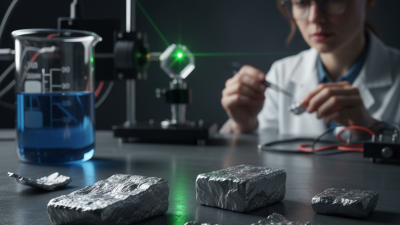
Top Misch Metal Suppliers for Global Buyers
For global buyers, choosing a reliable Misch Metal supplier involves more than comparing prices. Misch Metal usually contains cerium and lanthanum, with smaller amounts of other rare earth elements. Its composition directly affects alloy performance, ignition behavior, polishing results, and production consistency.
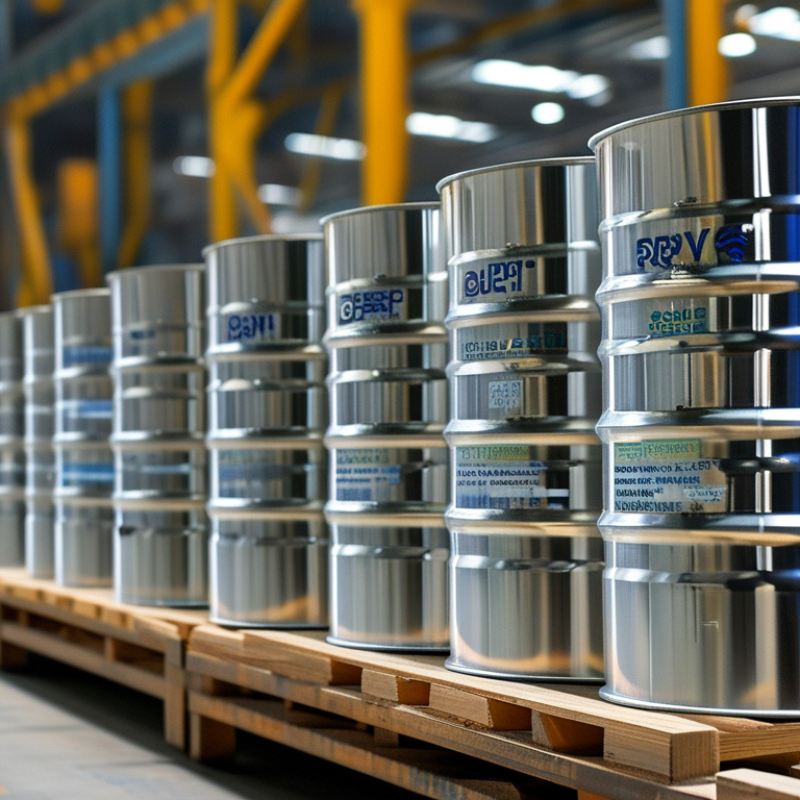
Rare-earths analyst Jack Lifton has repeatedly stressed that “rare earths are not rare; they are difficult to extract.” This observation remains relevant when evaluating international suppliers. A dependable company should explain its raw material sources, production process, certificate of analysis, and batch tolerances. It should also provide practical details, such as particle size, packaging method, moisture protection, and delivery capacity. These details matter when material arrives in sealed drums, crosses several borders, and enters a demanding factory schedule.
Price is only one part of the decision. A low quotation may hide inconsistent composition, unclear documentation, or limited technical support. Experienced buyers often request samples before signing large contracts. They compare ignition performance, metal recovery, and visible impurities under controlled conditions. That process takes time.
No supplier is perfect. Even established manufacturers may face production delays, changing feedstock, or shipping disruptions. Buyers should therefore assess communication quality and contingency planning. Some supplier pages sound impressive, but evidence is still necessary. Ask for recent test reports, traceable batch numbers, and realistic lead times.
This guide examines leading Misch Metal suppliers for global buyers. It focuses on product quality, technical transparency, export readiness, customer support, and long-term reliability. The goal is not to promote the loudest name. It is to identify suppliers that can support stable, responsible, and measurable industrial purchasing.
Misch Metal: Definition, Composition, and Key Properties
Top Misch Metal Suppliers for Global Buyers
Misch Metal: Definition, Composition, and Key Properties
Misch metal is a mixed rare-earth alloy, not a single chemical element. It usually contains cerium and lanthanum, with smaller amounts of neodymium and praseodymium. The exact ratio depends on the ore source and refining process. This variation matters. Two batches may share the same name but perform differently in production.
The alloy normally appears as silvery pieces, ingots, or granules. It reacts readily with air and moisture, especially when finely divided. Misch metal also has useful ignition and heat-transfer characteristics, supporting applications in lighter flints, metallurgical additives, and selected industrial materials. In purchasing practice, buyers should review rare-earth content, impurity levels, particle size, moisture, and packaging. A certificate of analysis helps, but sampling errors can still create uncertainty. That point is often overlooked.
Tips: Ask for a recent test report and confirm the testing method. Check whether the quoted composition is a typical range or a guaranteed value. For global shipments, inspect packaging strength and moisture protection before approving an order. Small details matter.
How Misch Metal Is Produced and Processed
Misch metal begins with rare-earth minerals, usually bastnäsite or monazite. The ore is crushed, ground, and chemically treated to separate rare-earth compounds from unwanted minerals. After conversion into chlorides or oxides, producers use molten-salt electrolysis or metallothermic reduction. The selected route affects purity, energy use, and final composition.
Cerium and lanthanum commonly form the largest share of misch metal. Smaller amounts of neodymium and praseodymium may remain, depending on the feedstock. The molten alloy is poured into steel molds, forming dull silver ingots with uneven edges. These ingots are then cooled, sampled, crushed, and screened into customer-sized pieces.
The USGS Mineral Commodity Summaries 2024 reported global rare-earth mine production of about 350,000 metric tons in 2023, measured as rare-earth-oxide equivalent. China accounted for approximately 240,000 metric tons. These figures describe rare-earth production, not misch metal alone, but they show the scale of its upstream supply. The IEA Global Critical Minerals Outlook 2024 also emphasizes refining concentration as a major supply-chain risk. That warning matters. A supplier may offer attractive pricing, yet inconsistent cerium content can change ignition performance, density, and melting behavior. Buyers should review assay results, particle-size records, oxygen exposure controls, and batch traceability. Certificates help, but they are not perfect. Independent retesting remains sensible for large shipments.
Main Industrial Applications of Misch Metal
Misch metal supports several established industrial applications, especially where cerium and lanthanum provide strong chemical reactivity. Its best-known use is ferrocerium for lighter flints, producing reliable sparks under friction. It also serves as a metallurgical additive in cast iron and steel. Small additions can improve fluidity, reduce impurities, and influence graphite formation. Results vary with the alloy and furnace conditions.
The automotive and engineering sectors use misch metal in selected alloy systems, including heat-resistant components and specialized casting grades. Lanthanum-rich material can also support hydrogen-storage alloys used in rechargeable nickel-metal hydride batteries. The International Energy Agency reported that global demand for rare earth elements could more than double by 2040 under stated policy scenarios. Misch metal is not identical to magnet-grade rare earth material, but this trend highlights stronger pressure on consistent feedstock.
USGS Mineral Commodity Summaries 2025 estimated global rare-earth mine production at about 390,000 metric tons of rare-earth oxide equivalent in 2024. That figure reflects the wider supply base, not misch metal alone. Buyers should therefore verify cerium and lanthanum ratios, oxygen content, particle size, and batch traceability. In practical purchasing, a certificate of analysis is essential. Yet paperwork can still miss furnace performance. Trial melting remains necessary, particularly when replacing an established material source.
Criteria for Evaluating Misch Metal Suppliers
Choosing a misch metal supplier requires more than comparing prices. Composition consistency should lead the evaluation. Ask for recent certificates showing cerium, lanthanum, neodymium, and iron levels. Independent laboratory testing adds confidence, especially when batches support ignition products, alloys, or polishing applications.
The USGS Mineral Commodity Summaries 2025 estimated global rare-earth mine production at about 390,000 metric tons of rare-earth-oxide equivalent in 2024. This scale does not guarantee stable misch metal availability. The International Energy Agency’s Global Critical Minerals Outlook 2024 also highlighted strong concentration in rare-earth refining.
Buyers should therefore examine production capacity, feedstock sources, inventory records, and export experience. Request batch numbers, sampling procedures, moisture data, and clear packaging photos. A supplier with ISO 9001 certification may offer stronger controls, but certification alone cannot prove product performance. That is an uncomfortable gap.
Tips: Start with a trial order. Test the material before signing a long contract. Check whether the supplier can maintain the same specification across three shipments. Review lead times, payment terms, insurance, and response speed. Keep written records of every technical promise. Price often attracts attention first; traceability protects the purchase later. No checklist catches every issue. Real evaluation still needs technical judgment and occasional doubt.