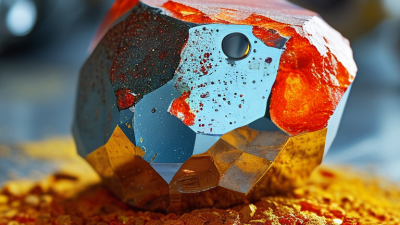
Thulium Metal is a specialized rare earth material used in medical imaging, research equipment, and selected electronic applications. In 2026, buyers need more than a low quoted price. They must examine purity, particle size, packaging, production capacity, and delivery reliability. A supplier offering 99.9% purity may not meet a laboratory’s requirements for 99.99% material. Small differences can affect performance and total cost.
This guide examines leading Thulium Metal suppliers and explains how their prices may vary. It considers product form, including ingots, pieces, powder, and custom sizes. It also reviews certificates of analysis, traceability, minimum order quantities, and typical lead times. These details matter when a shipment arrives in a sealed container, with each gram carefully documented. Prices can change with raw material availability, energy costs, refining difficulty, and order volume.
Market information is rarely perfectly stable. Some published prices may reflect older quotations or limited quantities. That weakness deserves attention. Buyers should request a current written quotation, confirm Incoterms, and compare shipping and inspection charges separately. Supplier reputation also requires practical checking, not assumptions based only on a polished website. By combining technical evidence, commercial transparency, and verified customer support, purchasers can make a more defensible decision in 2026. The cheapest offer may not be the safest choice. Reliability matters.
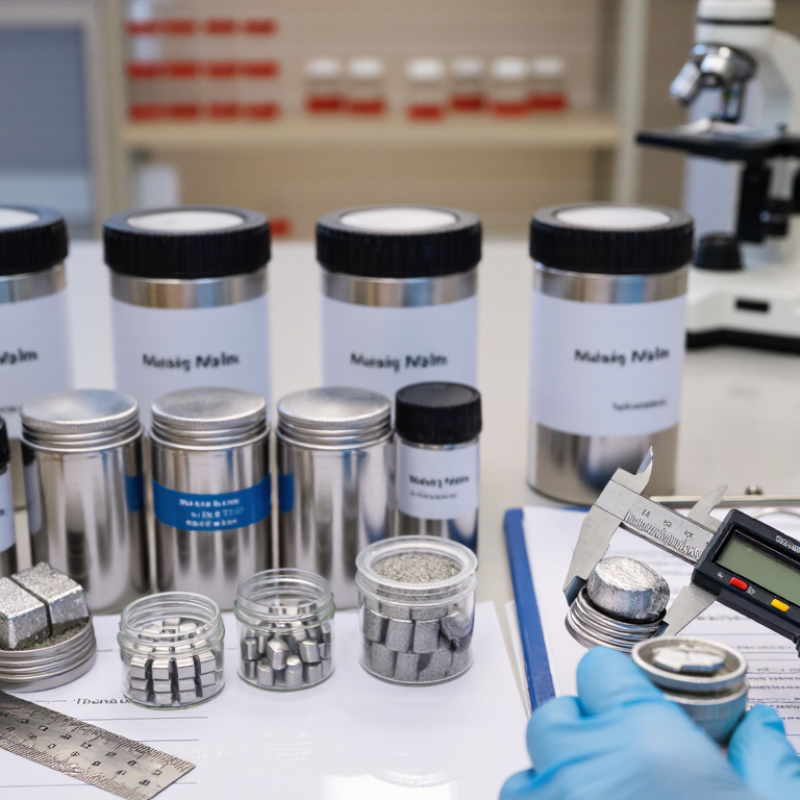
Thulium is a silvery rare-earth metal with atomic number 69. Its density is 9.32 g/cm³, making it noticeably heavier than aluminum and close to some structural metals. The Royal Society of Chemistry identifies thulium as one of the least abundant lanthanides. It usually appears as a minor component in ion-adsorption ores and monazite-related resources.
The U.S. Geological Survey’s Mineral Commodity Summaries 2025 reports rare-earth production in aggregate, rather than publishing a separate thulium output figure. This limitation matters.
Public data rarely shows transparent thulium inventories, refining capacity, or firm annual volumes. Current supply is concentrated among specialized heavy-rare-earth processors, laboratory chemical distributors, and custom metal refiners, with Asian production remaining highly influential.
Prices vary sharply with purity, form, and order size. Small research quantities may exceed US$1,000 per kilogram, while bulk quotations are commonly negotiated privately. Industry assessments from the European Commission also identify heavy rare earths as vulnerable to supply concentration and processing constraints.
Thulium supports compact radiation sources, specialized lasers, and portable X-ray applications. Its isotope thulium-170 is especially useful in controlled industrial radiography. Handling requires qualified facilities. Purity claims deserve verification. A certificate alone may not reveal oxygen, iron, or other trace contamination, and that is where procurement decisions can become less certain.
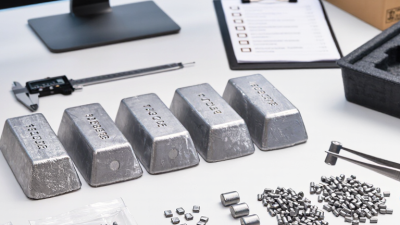
Thulium metal is commonly graded by purity, with 99.9%, 99.99%, and 99.999% representing different impurity limits. A 99.9% grade allows about 0.1% non-thulium material. It often suits general research, alloy trials, and non-critical manufacturing. The 99.99% grade offers tighter control for optical, electronic, and laboratory applications. The 99.999% grade is highly refined, but its value depends on the application. Higher purity is not automatically better.
In 2026, supplier quotations may vary widely because thulium is a scarce rare-earth metal. Price depends on purity, form, quantity, assay method, and delivery terms. A reliable supplier should provide a recent certificate of analysis, lot number, net weight, and impurity breakdown. Check oxygen, carbon, iron, and other rare-earth residues. A sealed ampoule or moisture-controlled package also matters. Small quantities usually cost more per gram. That detail is easy to overlook.
Tips: Compare at least three written quotations. Ask whether the quoted price covers testing, packaging, and shipping. Confirm whether “99.999%” means total metallic purity or a specific assay basis. Request a sample when possible. Purity labels can sound precise, yet testing methods may differ. I would also record the certificate date and storage conditions. This step feels slow, but it can prevent an expensive mismatch between paper purity and actual performance.
In 2026, leading thulium suppliers are concentrated in East Asia, Europe, and North America. East Asian producers often offer broader stock, competitive refining costs, and faster access to 1 g, 5 g, and 25 g packs. European distributors usually emphasize traceable certificates, stable documentation, and laboratory-grade handling. North American suppliers may provide shorter domestic delivery times, but their smaller inventories can increase prices.
Pack size strongly affects the quotation. A 1 g vial of 99.9% thulium metal may cost about 120 to 300 US dollars, depending on purity and form. A 5 g pack often reduces the unit price, while 25 g orders require a direct quotation. Larger quantities may involve production scheduling rather than immediate shipment. Prices can change with oxide availability, refining capacity, shipping insurance, and exchange rates.
Experienced buyers should inspect the certificate of analysis, metal basis, particle shape, and packaging atmosphere. A sealed argon-filled vial is more reassuring than a vague “high purity” label. Some quotes appear cheap because they exclude handling, testing, or delivery fees. That detail is easy to miss. Supplier rankings also depend on purpose: a university may value small packs and technical support, while an industrial buyer needs batch consistency and supply continuity. Public price comparisons remain imperfect, because many rare-earth quotations are negotiated privately.
In 2026, thulium metal prices remain highly sensitive to purity, form, and order volume. Indicative supplier quotations place 99.9% thulium powder around USD 8,000–18,000 per kilogram. Higher-purity 99.99% powder may reach USD 15,000–35,000 per kilogram. These figures describe industrial quantities, not small laboratory orders.
Form matters considerably. Compact pellets or ingots commonly range from USD 18,000–45,000/kg because production, shaping, and handling add costs. Small quantities, sealed ampoules, or custom dimensions can exceed USD 60,000/kg. Wire and sputtering targets usually require separate quotations. They may cost more than powder after machining and quality inspection.
Reliable purchasing requires more than comparing a headline number. Ask for an assay report, oxygen and carbon limits, net metal content, particle size, and packaging details. Confirm whether freight, insurance, customs, and taxes are included. Delivery terms can change the effective price by several thousand dollars per kilogram. A supplier offering an unusually low quote deserves careful review. It may reflect oxide content, a lower purity grade, or outdated market data. I would also request a current production date, because thulium inventories are limited and prices can move sharply between quotation and shipment. Mistakes happen here, especially when buyers compare oxide prices with metal prices.
Thulium purchasing in 2026 requires more than comparing quoted prices. Prices can vary with purity, metal form, order volume, packaging, and delivery destination. A reliable supplier should explain each cost clearly. Ask for a dated quotation, currency, minimum order quantity, and validity period.
Quality verification begins with the Certificate of Analysis, or COA. Check the lot number, test date, thulium content, impurity profile, moisture level, and testing method. ICP-MS or equivalent laboratory data should support trace-element claims. The COA must match the physical container. Check the label.
A retained sample can help when the order is valuable. However, sampling alone is not enough. Request traceability from production batch to shipping documents. Confirm whether relevant REACH obligations apply to the material, its use, and its destination. Do not accept a vague compliance statement. Ask for supporting registration or exemption information where applicable.
Delivery terms deserve equal attention. Confirm the Incoterm, insurance responsibility, customs documents, lead time, storage temperature, and packaging condition. Sealed moisture barriers and shock-resistant outer packaging may protect small, costly quantities. I would not treat the lowest quote as the best offer. A cheaper shipment can create testing delays, replacement costs, or uncertain documentation. The process is not perfectly tidy. Suppliers may provide incomplete data, and buyers must question it.
The chart compares commonly quoted commercial thulium metal purity grades. Purity percentages represent the minimum stated thulium content and must be confirmed against the supplier’s lot-specific Certificate of Analysis (COA).
Buyers should verify the COA method, impurity limits, lot number, packaging, and traceability. REACH registration or exemption status and the applicable Safety Data Sheet should also be requested. Prices are normally quotation-based because they vary with purity, form, quantity, packaging, payment terms, Incoterms, and delivery schedule.