Buying Neodymium Oxide globally requires more than comparing prices on a supplier website. Purity, particle size, packaging, production capacity, and documentation can change the real value of every shipment. A material labeled 99.9% may still require careful review of its certificate of analysis, trace-element profile, and moisture control.
Industry analyst Jack Lifton has often emphasized, “Rare earths are not rare; economically recoverable deposits are rare.” His observation remains relevant to Neodymium Oxide buyers. Supply depends on mining access, separation technology, refining discipline, logistics, and responsible export practices. A reliable supplier should explain these factors clearly, not hide them behind impressive marketing language.
This guide examines ten Neodymium Oxide suppliers serving international buyers. It considers product consistency, technical support, production history, quality systems, order flexibility, and communication standards. Practical details matter. Can the supplier provide sealed drums or moisture-resistant bags? Are batch numbers traceable? Can technical staff answer questions about sintering, magnets, ceramics, or optical applications?
No ranking is permanently perfect. Market conditions change. Some companies publish limited information, which makes comparison difficult. That limitation deserves attention, not assumption. Buyers should independently verify certifications, regulatory documents, shipment terms, and test results before placing substantial orders. The strongest supplier is not always the largest one. It may be the company that responds precisely, identifies risks early, and delivers the same material specification month after month.
This overview offers a practical starting point for procurement teams, engineers, and distributors seeking dependable global sources.
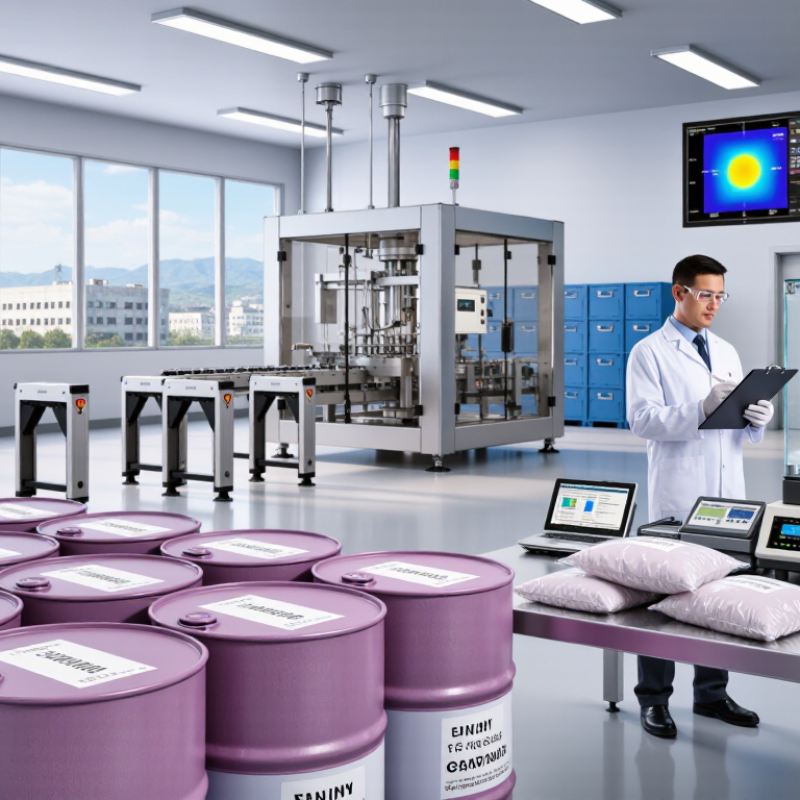
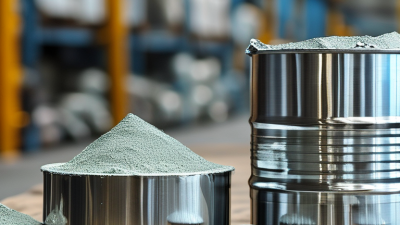
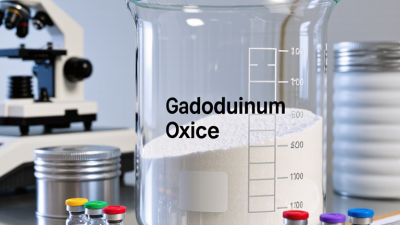
Neodymium oxide is a pale, powdery rare-earth compound, usually written as Nd₂O₃. It is produced from neodymium-bearing materials and supplied in grades with different purity levels and particle characteristics. For buyers, the specification sheet matters: trace impurities, moisture, and consistency between batches can affect processing. The powder may look simple. Its quality is not.
A major use is making neodymium metal, which can then be combined with iron and boron to produce powerful permanent magnets. These magnets help motors, generators, speakers, and other equipment deliver strong performance in compact designs. Neodymium oxide also serves as a colorant in glass and ceramics, creating violet, pink, or blue tones depending on composition and firing conditions. In specialty glass, it can help filter particular wavelengths of light.
Applications vary. A ceramics producer may care about color consistency, while a materials manufacturer may prioritize purity and reliable conversion. Ask suppliers for a current certificate of analysis, packaging details, and storage guidance. Keep the powder dry and sealed, since moisture can complicate handling and processing. One practical point is often overlooked: published purity alone may not predict how a material performs in a specific production line. Testing a representative sample is wise.
How Are Global Neodymium Oxide Suppliers Evaluated?
Global buyers should evaluate neodymium oxide suppliers on more than quoted price. Product documentation matters: request a recent independent assay showing neodymium oxide content, impurity levels, and analytical methods. Compare results across batches, not just one sample. For magnet-grade material, small differences in elements such as iron or calcium may affect downstream processing. The International Energy Agency’s Global Critical Minerals Outlook 2024 reports that China accounted for about 90% of global rare-earth separation and refining in 2023. This concentration makes supply-chain visibility and realistic delivery commitments important evaluation points.
Ask how material is produced, tested, packed, and traced to its source. Check whether the supplier provides batch-specific certificates, clear packaging specifications, and prompt responses when test results differ. Also assess lead times, shipment options, and the ability to maintain consistent quality during market disruptions. The USGS Mineral Commodity Summaries 2025 reports global rare-earth mine production of roughly 390,000 metric tons in 2024, measured as rare-earth-oxide equivalent; this is not neodymium oxide output alone. Buyers should avoid treating broad market figures as proof of a supplier’s capacity. Paperwork helps. Still, documents cannot replace independent testing, and even a careful review may miss a weak point.
How Buyers Can Evaluate Neodymium Oxide Suppliers
Purity is one useful comparison point: neodymium oxide is commonly specified in commercial grades such as 99.5%, 99.9%, and 99.99%. These are illustrative grade levels, not supplier rankings or a complete market survey. Buyers should verify each product’s certificate of analysis and also assess impurity limits, batch consistency, traceability, delivery capability, and documentation.
Global buyers often ask which ten suppliers can ship neodymium oxide reliably. The practical answer depends on more than a directory. Buyers should compare oxide purity, annual capacity, sample consistency, export documentation, and delivery options. USGS Mineral Commodity Summaries 2024 estimated global rare-earth mine production at 350,000 metric tons of rare-earth-oxide equivalent in 2023; China accounted for 240,000 tons. These figures describe mined rare earths, not neodymium oxide supply alone. That distinction matters.
A useful ten-supplier shortlist can include established producers, regional processors, and qualified distributors serving markets in Asia, Europe, and North America. Check whether each can provide recent assay results, traceable lot numbers, packaging details, and realistic lead times. The International Energy Agency’s Global Critical Minerals Outlook 2024 also highlights the concentration of processing across critical-mineral supply chains. One source is rarely enough. Ask for a small trial lot before committing to recurring orders, and compare the delivered specification with the certificate of analysis. Even careful checks can miss variation between batches; that is worth planning for.
Selecting a neodymium oxide supplier takes more than comparing quoted prices. Buyers should check purity specifications, particle size, moisture limits, and packaging details against their actual process. A certificate of analysis should identify the tested batch and show relevant methods or results. Ask how often batches are tested, and whether samples can be evaluated before a larger order. A low price can look attractive, but inconsistent material may create extra testing, delays, or production adjustments.
Supply reliability matters, too. Compare stated lead times with recent delivery performance, available inventory, and the supplier’s ability to explain possible disruptions. Clarify minimum order quantities, payment terms, shipping arrangements, and how damaged or out-of-spec material is handled. Technical support is useful when a specification is unclear; vague answers are worth noting. No document guarantees a trouble-free shipment, so keep records and verify claims independently where practical.
Tips: Request a current batch-specific analysis, not only a generic specification sheet. Ask for a sample in packaging similar to the planned shipment. Compare total landed cost, including freight and inspection, rather than unit price alone. I would also document any unanswered questions before committing; it is easy to overlook them when a deadline is close.
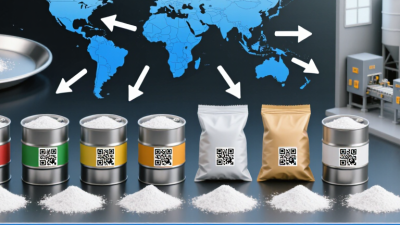
Global buyers comparing the top 10 neodymium oxide suppliers should examine logistics as closely as price. Neodymium oxide often moves as a controlled industrial powder, requiring accurate labeling, sealed packaging, and consistent moisture protection. A delayed container can interrupt magnet production for weeks.
The supply chain is highly concentrated. The International Energy Agency reported in Global Critical Minerals Outlook 2024 that one country handled more than 90% of refined rare-earth output and about 94% of permanent-magnet production. This concentration increases exposure to export controls, port congestion, and sudden freight-rate changes. USGS Mineral Commodity Summaries 2024 recorded global rare-earth mine production of approximately 350,000 metric tons in 2023. Demand remains geographically uneven.
Regulatory checks should begin before a purchase order. Buyers need verified chemical specifications, safety data sheets, customs classifications, and traceability records. European sourcing must also consider REACH obligations and the Critical Raw Materials Act, which targets greater supply diversification and domestic processing. Supplier audits should test assay consistency, packaging integrity, and delivery history. Incoterms matter too; a low quoted price may exclude insurance, destination duties, or inland transport. I have seen spreadsheets hide these costs. They should not. A practical sourcing review should compare landed cost, lead time, regulatory exposure, and backup capacity, not just the oxide price.
This is a country- and region-level sourcing comparison, not a ranked list of individual suppliers. It identifies established or potential supply routes and practical due-diligence points; availability depends on product specification, current production, and supplier qualification.
| No. | Sourcing market | Supply-route context | Logistics considerations | Regulatory and documentation checks | Buyer assessment |
|---|---|---|---|---|---|
| 1 | China | Major rare-earth mining, separation, and processing base; a significant source of neodymium oxide for international markets. | Domestic processing and established export infrastructure can support regular shipments. Confirm export availability, lead time, port routing, and packaging requirements for each order. | Check current Chinese export-control and licensing requirements for the specific product and transaction. Obtain accurate product descriptions, origin documents, and customs classification. | Potentially strong availability; buyers should assess policy exposure and avoid relying on a single source. |
| 2 | Australia | Established rare-earth mining sector with downstream processing activity; availability of separated neodymium oxide depends on the specific producer and operating capacity. | Export routes commonly involve ocean freight. Confirm whether material is produced locally or processed elsewhere, as this affects origin, transit time, and documentation. | Verify Australian export, customs, sanctions, and destination-country import requirements. Request traceable origin and product-quality documentation. | Useful diversification route, but confirm actual oxide production and contractable volumes. |
| 3 | United States | Domestic rare-earth mining and separation capacity are developing; commercial availability of separated oxide should be confirmed directly for the required grade and volume. | Domestic shipments may simplify inland transport for U.S. buyers. Cross-border orders require customs clearance and careful origin documentation. | Check applicable U.S. export-control, sanctions, customs, and import rules. Buyers should confirm classification and any reporting obligations with a qualified trade professional. | Potential diversification option; verify current production status, delivery capacity, and qualification lead time. |
| 4 | Malaysia | Has rare-earth processing activity, including separation operations using feedstock that may be sourced internationally; oxide availability is product- and facility-dependent. | Port access can support regional and international shipments. Establish the material’s actual processing location and origin rather than assuming these are the same. | Review Malaysian environmental and operating approvals where relevant, along with customs documents and the importing country’s origin rules. | Consider as a processing-based route; request evidence of feedstock traceability and shipment continuity. |
| 5 | India | India has rare-earth resources and a government-linked rare-earth industry; commercial availability, product range, and export access require case-by-case confirmation. | Check inland transport from the production site, export port schedules, and whether the shipment requires additional handling or inspection. | Confirm current Indian mining, export, customs, and destination-market requirements. Verify the declared origin and any applicable preferential trade claims. | Possible regional diversification source; validate specifications, export eligibility, and dependable volume before qualification. |
| 6 | Japan | More commonly associated with advanced materials processing and downstream manufacturing than with large-scale domestic rare-earth mining; oxide supply may depend on imported feedstock. | High-quality logistics infrastructure can support predictable handling. Ask whether the material is locally produced, refined from imported feedstock, or resold. | Check Japan’s trade-control and customs requirements, plus the destination market’s rules. Distinguish country of processing from country of origin. | May suit buyers prioritizing technical support and consistent specifications; confirm primary-source status and capacity. |
| 7 | Estonia | European rare-earth separation and processing capability exists, but available neodymium oxide volumes and commercial terms should be confirmed with the seller. | EU transport networks can support regional delivery. For non-EU destinations, factor in export formalities, freight, and transit documentation. | For EU-market sales, review applicable REACH obligations and chemicals documentation; also check customs classification and the rules of the destination country. | Potential European supply route; verify current plant output, product registration responsibilities, and delivery schedules. |
| 8 | France | France has rare-earth-related recycling and materials initiatives; it is not generally a large primary mining source, so supply may involve recycling or imported material. | European road, rail, and port connections can offer route flexibility. Confirm whether recycled content changes the required traceability or customer acceptance documents. | Check applicable EU chemicals, waste-shipment, customs, and product-traceability rules according to the material’s status and transaction. | Potentially relevant for circular-material strategies; confirm commercial-scale oxide availability and recycled-content evidence. |
| 9 | Germany | Primarily a downstream industrial and materials market rather than a major primary source of rare-earth ores; oxide supply is likely to involve imports, processing, or distribution. | Strong European logistics links may support regional distribution. Ask for the original production country and the full chain of custody. | For EU transactions, assess REACH and CLP obligations where applicable, as well as customs, sanctions, and accurate product classification. | Useful distribution or processing location; do not treat a local seller address as proof of local production. |
| 10 | Brazil | Has rare-earth mineral resources and emerging project activity; dependable commercial neodymium oxide output should be verified rather than assumed from resource estimates. | Assess mine-to-port infrastructure, inland distance, export-port capacity, and the possibility of longer lead times for new projects. | Review Brazilian mining and environmental permissions, export documents, and the importing country’s rules of origin and customs requirements. | Longer-term diversification potential; verify operating status, separated-oxide capability, and firm shipment commitments. |
Before contracting, request a current certificate of analysis, specification and impurity limits, country-of-origin statement, safety data sheet, traceability records, and confirmed delivery terms. Regulations, export controls, facility status, and market availability can change; verify requirements with the relevant authorities and qualified customs or trade advisers before shipment.