How to Effectively Use Rare Earth Oxides in Modern Technology?
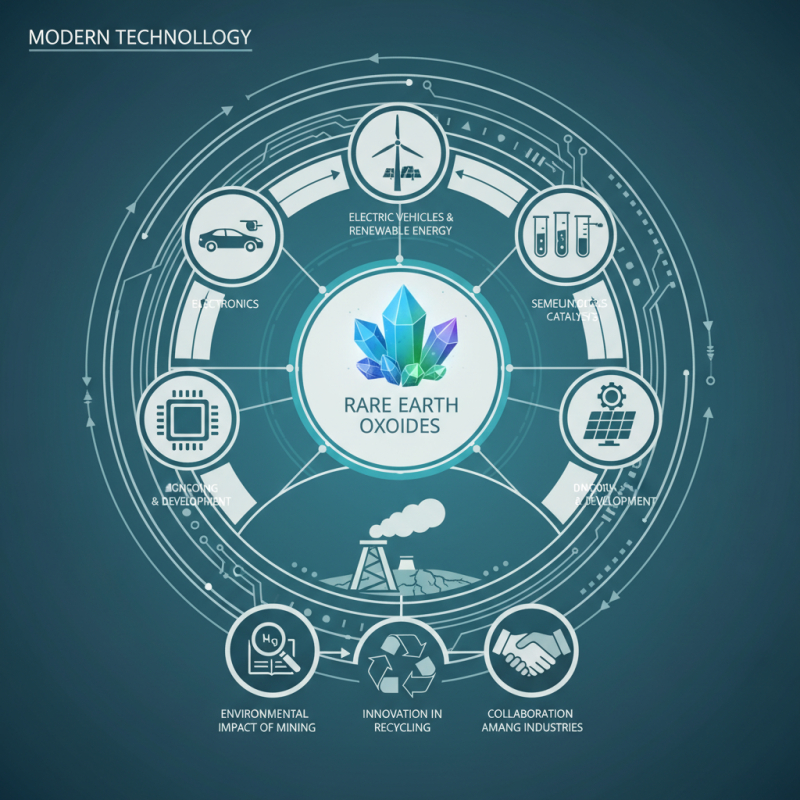
Rare Earth Oxides are becoming essential in modern technology. Their unique properties make them vital for various applications. With the rise of electric vehicles and renewable energy, the demand for these materials is growing.
In electronics, Rare Earth Oxides enhance performance. They improve the efficiency of semiconductors and catalysts. However, sourcing these materials responsibly remains a challenge. The environmental impact of mining operations is significant and often overlooked.
Innovation in recycling methods is necessary. Developing sustainable practices will help mitigate these challenges. More collaboration among industries is key. Understanding the full potential of Rare Earth Oxides requires ongoing research and development. Emphasizing these elements can drive future advancements in technology, but responsible usage must remain a priority.
Understanding Rare Earth Oxides and Their Properties
Rare earth oxides (REOs) are critical in modern technology. These materials, primarily composed of elements like lanthanum and neodymium, possess unique optical and electronic properties. They are key in the manufacturing of catalysts, batteries, and magnets. For instance, neodymium-iron-boron magnets, made from REOs, are vital in electric motors and renewable energy applications. According to a recent market analysis, the global rare earth element market is projected to reach approximately $10 billion by 2026, indicating robust demand.
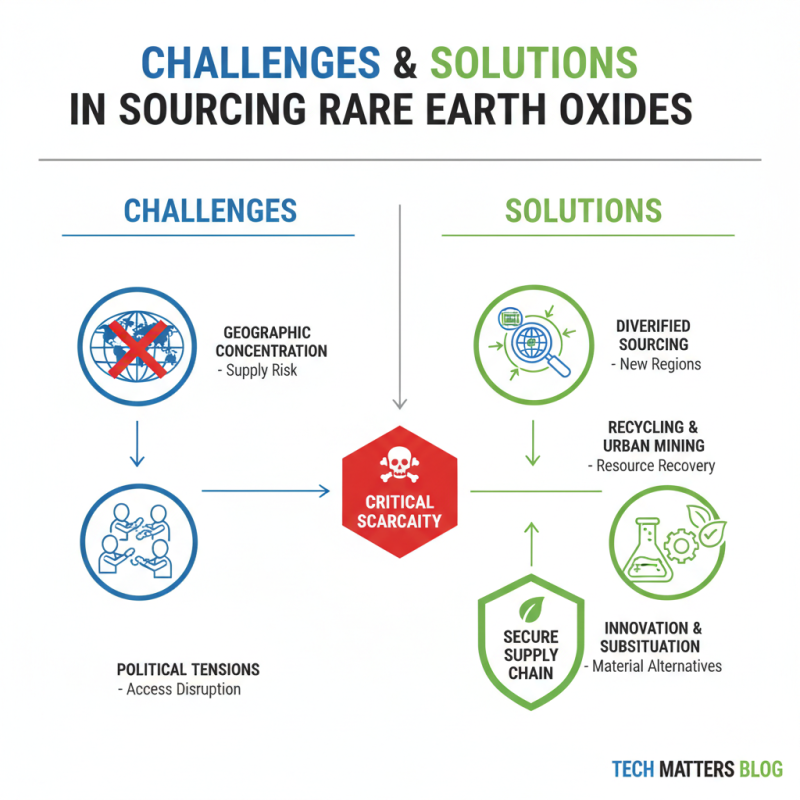
Understanding the properties of rare earth oxides is crucial for their effective use. REOs exhibit high thermal stability and excellent luminescence. This makes them suitable for applications in lighting and displays. However, the extraction and processing of these materials are often environmentally challenging. Some studies indicate that mining operations can lead to soil and water contamination. Companies must address these environmental concerns while optimizing their processes.
Furthermore, there is a need for continued research into sustainable practices. Innovations in recycling REOs from electronic waste could alleviate supply chain pressures. As the demand for clean energy rises, harnessing these valuable materials responsibly becomes increasingly important. While REOs offer immense potential, the industry must navigate the associated economic and environmental complexities.
Usage of Rare Earth Oxides in Modern Technology
This bar chart displays the distribution of various rare earth oxides used in modern technology applications. The highest percentage of usage is observed for Cerium Oxide, followed by Lanthanum Oxide and Neodymium Oxide.
Applications of Rare Earth Oxides in Electronics and Energy Storage
Rare earth oxides (REOs) play a crucial role in modern electronics and energy storage technologies. They are key materials in the manufacturing of high-performance magnets, phosphors, and catalysts. According to a report by the International Energy Agency, the demand for these materials has surged, driven largely by the growth of renewable energy and electric vehicles. In 2023, the global market for REOs is projected to reach $6 billion, reflecting their increasing importance.
In electronics, REOs enhance the efficiency of various devices. For instance, neodymium is widely used in powerful, compact magnets for motors and speakers. However, the supply chain for these materials faces challenges. The extraction and processing of REOs can have significant environmental impacts. Mining operations often cause land degradation and water pollution. This highlights the need for sustainable practices to balance technological advancement and environmental responsibility.
Energy storage is another vital application for REOs, especially in lithium-ion batteries. They improve energy density and performance. Recent studies indicate that using REOs can increase battery life by up to 30%. Yet, sourcing these materials raises ethical concerns. Limited geographic availability often leads to geopolitical tensions. Addressing these issues is essential for securing a reliable supply of rare earth oxides.
Innovative Uses of Rare Earth Oxides in Advanced Manufacturing
Rare earth oxides (REOs) are crucial in modern advanced manufacturing. They enhance the performance of magnets, catalysts, and phosphors, making them indispensable. According to a 2021 market report by the International Energy Agency, the demand for rare earth materials is projected to rise by 7% annually through 2025. This demand is fueled by the growth of electric vehicles and renewable energy technologies.
Innovative uses of REOs can be seen in the production of green technologies. For example, cerium oxide is used in catalytic converters to reduce harmful emissions. The versatility of REOs offers opportunities to improve energy efficiency in various applications, yet these materials are not without challenges. Supply chain vulnerabilities and environmental considerations must be addressed in the production process.
Tip: Collaborate with local suppliers to ensure sustainable sourcing of rare earth materials. This can reduce risks related to global supply chains. Furthermore, invest in recycling technologies to reclaim REOs from post-consumer products. Doing so could secure a more reliable material supply, promoting a circular economy model. Striking a balance between innovation and sustainability is crucial for future advancements in manufacturing.
How to Effectively Use Rare Earth Oxides in Modern Technology? - Innovative Uses of Rare Earth Oxides in Advanced Manufacturing
| Application |
Type of Rare Earth Oxide |
Functionality |
Industry Impact |
| Magnets |
Neodymium Oxide |
Used in high-performance permanent magnets |
Electronics, Renewable Energy |
| Catalysts |
Cerium Oxide |
Enhances catalytic activity in engines |
Automotive, Petrochemical |
| Glass and Ceramics |
Yttrium Oxide |
Improves thermal stability and optical properties |
Consumer Electronics, Construction |
| Phosphors |
Europium Oxide |
Used in LED lights and displays for color quality |
Lighting, Displays |
| Lasers |
Lutetium Oxide |
Facilitates laser operations with high efficiency |
Medical, Industrial Applications |