How to Use Didymium Oxide for Glassmaking and Ceramics?
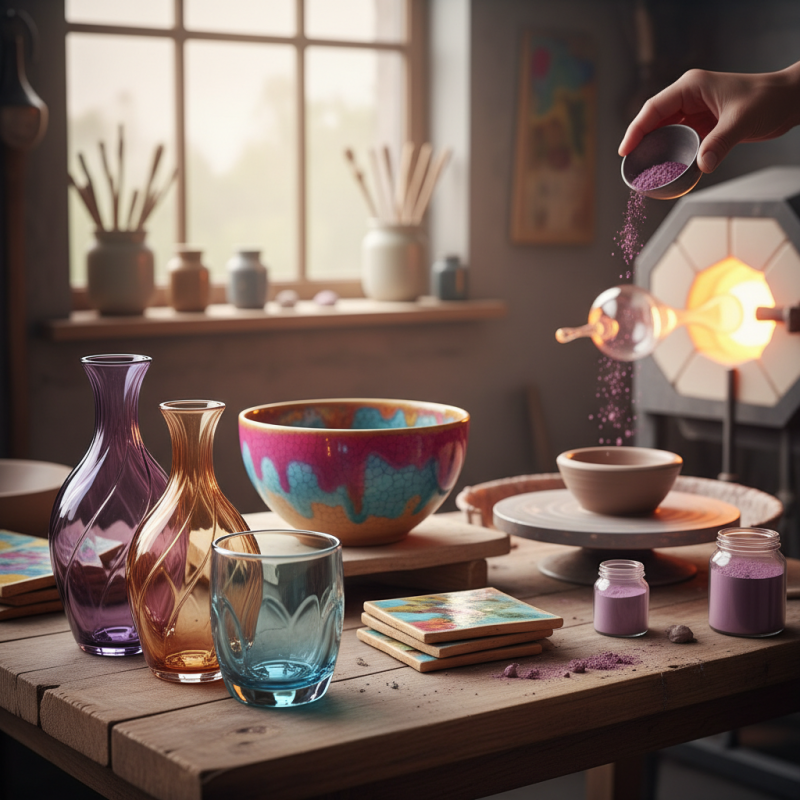
Didymium Oxide is a unique compound used in glassmaking and ceramics. Its properties make it valuable for these applications. By adding Didymium Oxide, artisans can enhance the color and stability of glass. This gives pieces a distinct, vibrant look.
In glassmaking, Didymium Oxide improves the clarity and resistance to radiation. It also aids in removing imperfections. The result? A smoother, more refined product. In ceramics, Didymium Oxide can create exquisite colors. However, achieving the right balance takes practice. It’s not always easy to master.
Using Didymium Oxide presents challenges. Too much can lead to undesirable results. Artists must experiment to find the perfect mix. This process encourages growth and creativity. Embracing these imperfections can lead to unexpected beauty in the final pieces.
Understanding Didymium Oxide and Its Properties
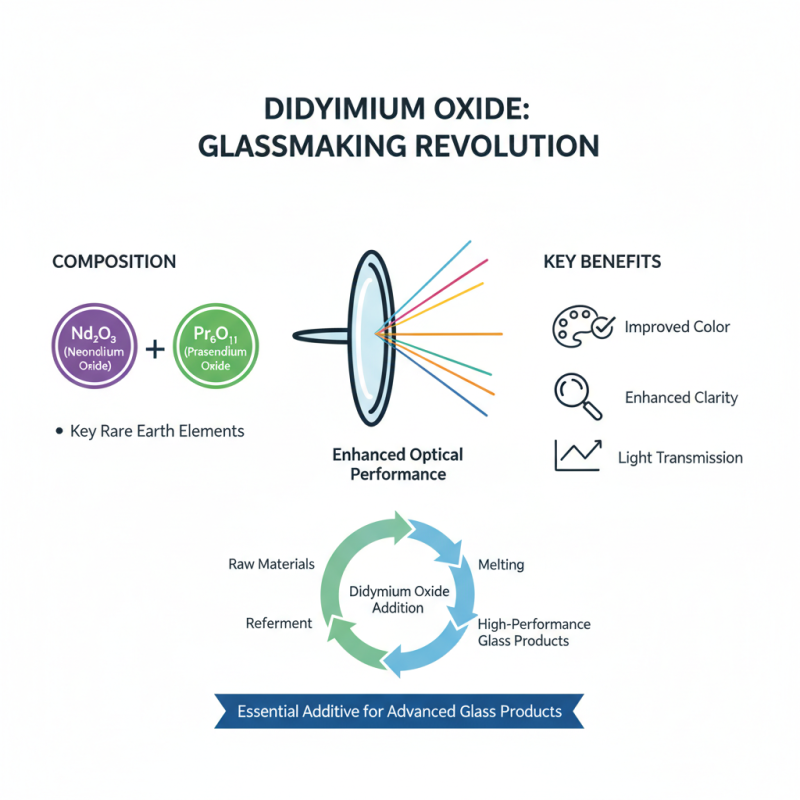
Didymium oxide is a fascinating compound used in glassmaking and ceramics. It primarily consists of the rare earth elements neodymium and praseodymium. This unique blend gives it remarkable optical properties. Glass made with didymium oxide displays a beautiful range of colors. These colors often change when viewed from different angles. This visual effect can enhance the aesthetic appeal of glass objects.
Its importance in ceramics cannot be understated. Didymium oxide helps improve the thermal stability of ceramic materials. This characteristic is crucial during high-temperature firing processes. However, working with this compound requires care and precision. Improper use can lead to unexpected results or compromised material quality. Finding the right balance in formulation is essential. Artists and manufacturers must often experiment to achieve the desired outcome.
In the glassmaking process, didymium oxide impacts both color and clarity. Achieving the perfect hue can take time and practice. The blend of neodymium and praseodymium offers a spectrum that can be both vibrant and subdued. Each batch may yield slightly different results. This variability can be a source of frustration. Yet, it is also a part of the creative journey, pushing artisans to refine their techniques.
Applications of Didymium Oxide in Glassmaking
Didymium oxide is gaining traction in the glassmaking industry. Its unique properties make it an essential additive. This compound primarily consists of neodymium and praseodymium oxides. Glassmakers appreciate its ability to improve color and clarity. According to industry reports, incorporating didymium oxide enhances the transmission of specific wavelengths. This results in better optical performance for various glass products.
In the context of ceramics, didymium oxide adds distinct advantages as well. It helps in achieving vibrant colors and smooth finishes. The amount of didymium oxide used can vary based on the desired effect. Generally, the addition is around 1-5% by weight. However, some applications might require careful experimentation. Adjusting this ratio can lead to unexpected results, highlighting the need for precise measurements.
Challenges remain when using didymium oxide. The process requires close attention to detail. Inconsistent quality can affect the final product. Glassmakers often struggle with these variables, and adjustments may be necessary. Experimentation with firing temperatures and durations can yield different results. Feedback from clients is crucial in refining these processes. Despite these hurdles, the ongoing use of didymium oxide continues to reshape glass and ceramics.
Incorporating Didymium Oxide in Ceramics Production
Didymium oxide plays a crucial role in ceramics production. This compound enhances color and opacity in glazes. It is a blend of neodymium and praseodymium oxides. These rare earth elements create unique properties in ceramics. For example, they improve durability and heat resistance.
Research indicates that incorporating didymium oxide can result in a 30% increase in glaze stability. These improvements are significant for high-temperature applications. However, the usage must be carefully monitored. An overexposure can lead to undesirable results, like excessive color shifts. Potters often find balancing the oxide ratio challenging.
Achieving the desired hue is sometimes complex. The interaction of didymium with other materials can produce unexpected colors. This unpredictability can be frustrating. Yet, it leads to innovative ceramic designs. Crafting with didymium oxide pushes artists to rethink their methods. They must test and adjust constantly. Each batch can yield different results. Embracing this variability can enhance the creative process.
How to Use Didymium Oxide for Glassmaking and Ceramics? - Incorporating Didymium Oxide in Ceramics Production
| Application |
Purpose |
Dosage |
Expected Benefits |
| Glassmaking |
Enhancement of color and clarity |
0.5-2.0% by weight |
Improved optical properties |
| Ceramic Glazes |
Color development and opacity |
1.0-3.0% by weight |
Vibrant colors, better finish |
| Porcelain |
Strengthening and translucency |
0.5-1.5% by weight |
Increased mechanical strength |
| Technical Ceramics |
Enhancing durability |
2.0-5.0% by weight |
Higher resistance to thermal shock |
Techniques for Optimizing the Use of Didymium Oxide
Didymium oxide is gaining attention in the glassmaking and ceramics industries. Its unique properties enhance color and thermal resistance in various applications. However, optimizing its use requires careful consideration.
One technique involves precise formulation. The ideal concentration of didymium oxide can vary based on the desired hue and effect. Reports indicate that even a 0.5% increase can lead to noticeable changes in shade and opacity. Crafting small batches can help identify the optimal blend before larger production runs.
Another important aspect is temperature control. Didymium oxide behaves differently at various temperatures. For instance, at lower temperatures, it can yield a richer color profile. However, overheating may lead to undesirable results. Regular testing at different firing temperatures can prevent costly mistakes. This approach encourages a thoughtful evaluation of process parameters, enhancing product consistency.
Moreover, mixing didymium oxide with other oxides can achieve diverse effects. However, this requires experimentation. Not every mix will yield the desired outcome, and some combinations can lead to unexpected results. Maintaining detailed records of each experiment is vital for future reference, ensuring improvements can be made without starting from scratch.
Safety and Handling Considerations for Didymium Oxide
When working with didymium oxide in glassmaking and ceramics, safety is paramount. Didymium oxide can be hazardous when inhaled or ingested. Dust particles may affect the respiratory system. Studies indicate that exposure can lead to lung irritation. Therefore, using appropriate ventilation is critical in any workspace.
Wearing personal protective equipment (PPE) is essential. Gloves and goggles are advisable to avoid skin and eye contact. According to the Occupational Safety and Health Administration (OSHA), exposure limits for similar substances are set to ensure worker safety. Regular monitoring of air quality in the workplace can help in maintaining these limits.
Handling didymium oxide requires caution. The material should be stored in airtight containers to prevent moisture absorption. This can lead to clumping and affect its usability. Cleaning up spills promptly is necessary to prevent accidents. Using a wet method for cleanup minimizes dust generation. Workers should be trained on proper handling protocols. Inadequate training may lead to unsafe practices and potential health risks.