China Top Lanthanum Metal Uses and Applications in Modern Industries?
Lanthanum metal has emerged as a critical component in various modern industries. This versatile material plays a significant role in the development of advanced technologies. Its unique properties, such as high versatility and excellent catalytic capabilities, make it indispensable in numerous applications.
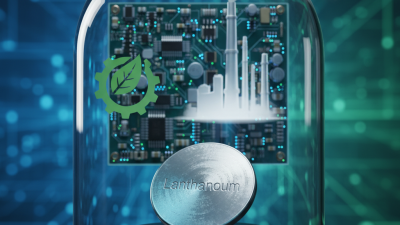
In the field of electronics, lanthanum metal is used in the production of batteries, specifically in nickel-metal hydride technologies. This enhances energy storage and performance in electric vehicles. Additionally, the metal is essential in the manufacturing of phosphors for LED lights and screen displays, allowing for improved brightness and efficiency.
Moreover, lanthanum metal is significant in metallurgy. It acts as an alloying agent, improving the strength and durability of materials used in aerospace and automotive industries. However, despite its benefits, reliance on lanthanum raises concerns regarding supply chain stability. Companies must contemplate sustainable practices in sourcing and recycling. This dynamic landscape calls for ongoing research and innovation, ensuring that the applications of lanthanum metal align with future industry needs.

Overview of Lanthanum Metal and Its Importance in Modern Industries
Lanthanum metal plays a crucial role in various modern industries. Its unique properties make it invaluable in many applications. Found primarily in rare earth minerals, lanthanum exhibits excellent conductivity and catalytic properties. These characteristics make it widely used in manufacturing catalysts for petroleum refining and automotive applications.
In the electronics sector, lanthanum is essential for producing high-performance capacitors and phosphors. These components are vital for devices such as smartphones and flat-screen televisions. Lanthanum-based phosphors improve light output and energy efficiency. However, sourcing the material can be challenging due to its scarcity. Companies must ensure sustainable practices in their extraction methods.
Despite its significance, there are concerns around the environmental impact of lanthanum mining. The mining process can lead to soil and water pollution if not managed properly. Industries must balance the demand for lanthanum with responsible practices. Continuous innovation is essential in developing eco-friendly alternatives and recycling methods. The importance of lanthanum in modern technology cannot be overstated, yet it comes with responsibilities.
Key Properties of Lanthanum That Enable Industrial Applications
Lanthanum is a rare earth metal widely valued in various modern industries. Its unique properties make it crucial for many applications. This metal possesses excellent electrical conductivity, making it a preferred choice in electronics and energy sectors. Lanthanum is also lightweight and has a high melting point, which enhances its performance in high-temperature environments.
In the field of optics, lanthanum plays a significant role. It contributes to the production of high-quality glass, especially in lenses. This leads to sharp imaging and better light transmission. Moreover, lanthanum's catalytic properties are vital in refining processes. It improves the efficiency of catalysts used in petrochemical industries, though the long-term environmental impact of its use is still debated.
The versatility of lanthanum is impressive. Its role in battery technology, particularly in nickel-metal hydride batteries, is noteworthy. While it improves energy storage, the mining and processing of lanthanum raise sustainability concerns. As demand grows, industries must balance the benefits with environmental responsibilities. This necessitates ongoing research and better practices to mitigate negative effects.
China Top Lanthanum Metal Uses and Applications in Modern Industries
Primary Applications of Lanthanum in Electronics and Optics
Lanthanum plays a significant role in modern electronics and optics. In electronics, lanthanum compounds are essential for manufacturing capacitors. These capacitors are common in smartphones and computers. Reports indicate that electronics account for nearly 30% of lanthanum's global demand. The growing trend toward miniaturization in devices has further boosted this sector.
In optics, lanthanum is used to produce high-quality glass and lenses. Specifically, lanthanum glass offers superior refractive properties. This quality enhances the performance of camera lenses and telescopes. Recent studies show that the optical properties of lanthanum-based materials can improve image clarity. However, sourcing raw lanthanum can be challenging. This raises questions about sustainability within the industry.
As applications expand, the importance of lanthanum will likely increase. Continued research is necessary to address potential limitations in its supply chain. Innovations in lanthanum's applications could also lead to more efficient electronic devices. Its role in optics could redefine how we experience visual technology.
Role of Lanthanum in Energy Solutions and Environmental Technologies
Lanthanum plays a significant role in modern energy solutions and environmental technologies. This rare earth element is crucial for the development of advanced batteries. According to recent industry reports, the demand for lanthanum in nickel-metal hydride (NiMH) batteries has increased by 25% in the past five years. These batteries are used in electric vehicles and hybrid cars, which are essential for reducing greenhouse gas emissions.
Moreover, lanthanum is an essential component in catalysts for petroleum refining. This process helps in maximizing fuel efficiency and minimizing environmental impact. Reports indicate that lanthanum-based catalysts can enhance the performance of refineries by up to 30%. However, the extraction and processing of lanthanum present challenges. The mining process can cause environmental degradation, raising concerns about sustainability.
As we push towards greener technologies, it becomes vital to address these issues. The industry must strike a balance between utilizing lanthanum's benefits and ensuring that its environmental footprint is minimized. Research into recycling methods and sustainable mining practices is crucial. The future of lanthanum in energy solutions will depend on this delicate equilibrium.
Emerging Trends and Future Prospects for Lanthanum Use in Industry
Lanthanum has become vital in several industries, primarily due to its unique chemical properties. The global market for lanthanum is projected to grow significantly. According to a recent report, demand is expected to reach US$6 billion by 2030, driven mainly by advancements in electric vehicle (EV) batteries and catalysts. The push for sustainable energy sources is influencing the increased use of lanthanum in these applications. It enhances battery performance, making it a key player in the rising EV market.
Emerging trends show that lanthanum's role in electronics is expanding. It is essential in producing phosphors for LED lights and in optical glass manufacturing. These materials are crucial for high-tech devices like smartphones and tablets. However, industry experts emphasize the need for responsible sourcing and recycling practices. As demand rises, the potential for environmental impact also increases. There remain questions about the long-term sustainability of lanthanum mining. Thus, addressing these concerns will be vital for future market stability and growth.
Moreover, researchers are exploring innovative applications for lanthanum in hydrogen storage and nuclear energy. These areas could revolutionize energy storage solutions and green technologies. Nevertheless, the sector faces challenges in refining extraction techniques and minimizing waste. Balancing growth with ecological sustainability is another factor for the industry's future. The ongoing exploration of lanthanum's diverse applications signals an exciting yet complex journey ahead.